Weather and the Best Time to Move to Budapest
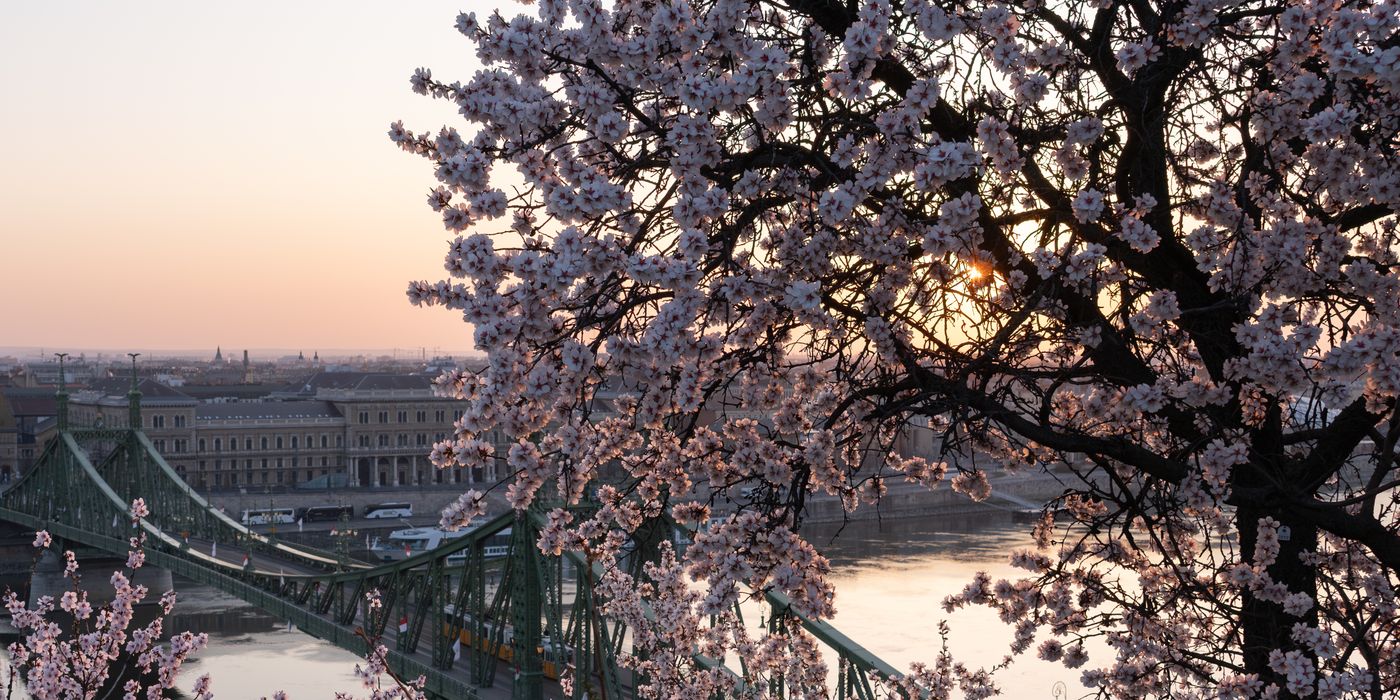
- Budapest has a four-season continental climate: warm summers (July averages a daytime high near 28°C or 82°F) and cold, grey winters (January highs around 3°C or 37°F).
- The best time to move is late spring (April to May) or early autumn (September), when the weather is mild, the days are long and the city is at its most pleasant.
- September is beautiful but the busiest rental season, because students flood the market, so start the apartment hunt four to six weeks early and decide fast.
- Whatever month you pick, pack for four real seasons: a warm winter coat and layers, plus light clothing and a compact umbrella for summer thunderstorms.
When is the best time to move to Budapest?
The best time to move to Budapest is late spring (April to May) or early autumn (September). Both windows give you mild, comfortable weather, long daylight and a city in full swing, without the peak heat of high summer or the grey chill of deep winter. Budapest has a genuine four-season continental climate, with a mean annual temperature around 11.5°C (52.7°F) and roughly 1,934 hours of sunshine a year (source).
Weather is only half the decision, though. The rental market swings hard with the university calendar, and Hungarian winters make some practical tasks (viewing flats, moving furniture, walking between government offices) simply less pleasant. This guide walks through the climate season by season, then lines it up against the logistics of actually relocating.
Prefer warmth and outdoor life? Aim for May or June. Want the calmest city and the easiest admin? Late April or the second half of September are hard to beat. Either way, no season here is a real barrier to settling in.
What is Budapest's climate like?
Budapest sits in the Carpathian Basin and has a humid continental climate, which means four distinct seasons with a wide gap between summer and winter. The warmest month is July, with an average daily high near 28.1°C (82.6°F) and lows around 16.7°C (62.1°F). The coldest is January, when highs hover near 3.0°C (37.4°F) and nights dip to about minus 2.5°C (27.5°F), according to the Hungarian climate normals.
Rain is spread fairly evenly through the year and is not heavy by European standards. Annual precipitation is about 571.5 mm (22.5 inches), with early summer the wettest stretch and late winter the driest (source). Extremes do occur: the record high is 40.7°C (105.3°F), set on 20 July 2007, and the record low is minus 27.1°C (minus 16.8°F), though days near either figure are rare.
Two practical takeaways shape any move. Summers can turn genuinely hot for a week at a time, and winters are less about deep snow than about grey, damp, short days. Neither is severe, but both change how relocating feels on the ground.
What are Budapest summers like?
Summers are warm and lively. From June to August the city averages daytime highs in the high 20s Celsius (low 80s Fahrenheit), and heatwaves can push the thermometer between 32°C and 35°C (90°F to 95°F) for several days, often broken by short, dramatic thunderstorms (source). Air conditioning is common in new builds but far from universal in older apartments, so it is worth checking before you commit to a summer lease.

The payoff is a city built for warm weather: open-air ruin bars, Danube-side terraces, island festivals and the thermal baths, which run all year. Getting around stays cheap and easy in the heat too, as the guide to getting around on BKK and the metro explains.
One local quirk deserves planning. Hungary carries one of Europe's heaviest loads of ragweed (parlagfu, ragweed) pollen, blown in from the surrounding farmland, and it typically peaks from mid-August into early September (source). Allergy sufferers arriving in late summer should bring their usual medication rather than count on finding the same brands locally.
How cold does Budapest get in winter?
Winter is cold but rarely extreme. From December to February average temperatures sit around freezing, near 0°C (32°F), with damp, grey, often foggy spells as cold air settles over the basin (source). Snow falls most years but is usually neither deep nor long-lasting, and the city keeps running normally through it.
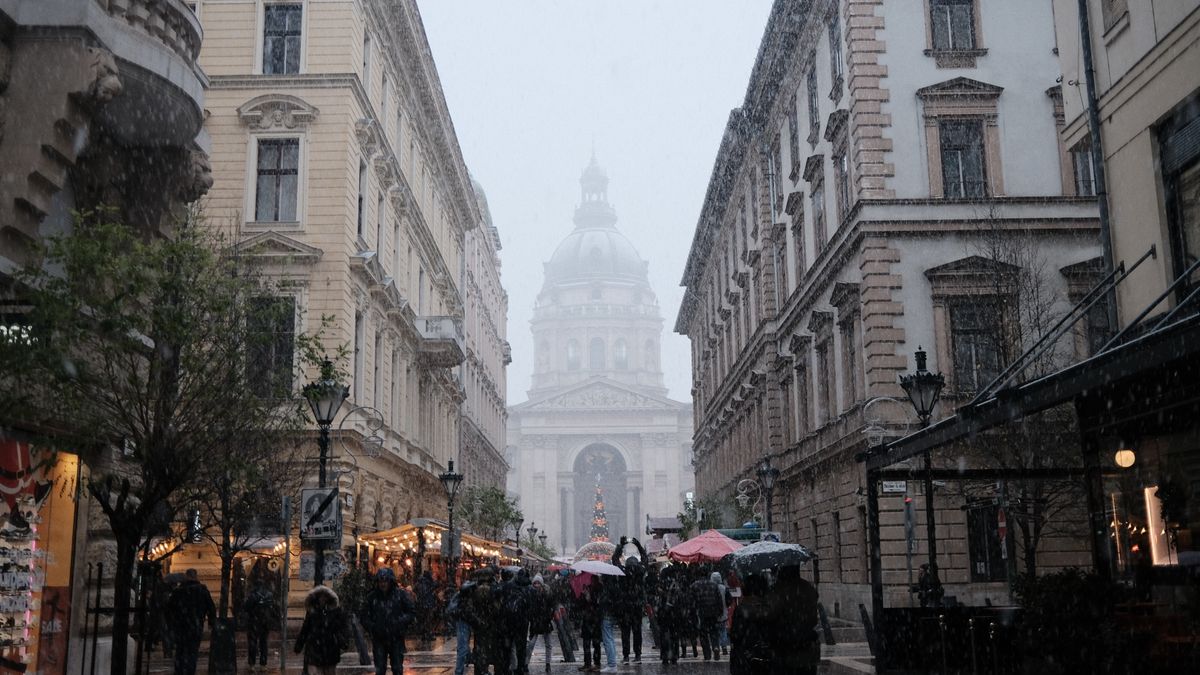
The real winter challenge for newcomers is mood and money, not survival. Days are short and overcast, and heating an older or larger flat pushes the monthly utility bills, the rezsi (utility bills), up sharply. Ask any prospective landlord for a full year of past bills before you commit, since the seasonal swing is real and is covered in the guide to the cost of living in Budapest.
Winter also has a genuine bright side. The thermal baths are at their most magical when steam rises off the outdoor pools into the cold air, and Advent markets fill the central squares from mid-November. If you move in the cold months, lean into these rituals rather than fight the grey.
Why spring and autumn are the sweet spot
For most people the shoulder seasons are the nicest time both to visit and to settle in. Climate guides single out May, June and September as the months with the most pleasant daytime temperatures, mixing real warmth with lower rainfall and long, bright days (source).

Spring (April to early June) brings the city back to life: parks green up, terraces reopen and temperatures climb from mild to warm without the August heat. Early autumn (September into early October) offers the mirror image, with warm days, cooler evenings and a soft golden light that locals fondly call the old women's summer (venasszonyok nyara, Indian summer).
Moving in these windows means comfortable weather for the unglamorous parts of relocating: touring apartments, carrying boxes up stairwells, queuing at offices and learning your new neighbourhood on foot. That practical comfort, more than the postcard views, is why these months are the easiest time to land.
So when should you actually move?
Line the weather up against the rental calendar and a clear answer emerges. Budapest's rental market is busiest from July to the end of September, driven by Hungarian and international students who only learn their university placement in mid-summer and then rush to find flats (source). In August and September the best apartments can be gone within hours rather than days.
That points to two strong strategies. Move in late spring (roughly April to early June) to enjoy mild weather and a calmer market before the student rush arrives. Or, if your life is tied to the academic year, commit to a September move but start searching four to six weeks ahead and be ready to decide on the spot.
Deep winter (January and February) is the quietest and often cheapest rental season, worth considering if you value low competition over sunshine, though viewings and moving day will be cold and dark. Whatever the month, the core administrative steps (address card, tax number, bank account) run the same way all year, so timing changes the comfort of the move more than the paperwork behind it.
What should you pack for Budapest's climate?
Pack for four real seasons rather than one. Winters justify a properly insulated coat, waterproof shoes and warm layers for the damp cold, while summers call for light, breathable clothing, sunglasses and a compact umbrella for those sudden thunderstorms. Spring and autumn are all about layering, since a warm afternoon can slide into a cool evening quickly.

A few Budapest-specific notes save hassle. Good winter and summer clothing is easy to buy locally at similar or lower prices than in Western Europe, so there is no need to over-pack: bring what covers your first few weeks and buy the rest here. Allergy medication and any specific prescriptions are the sensible exceptions to carry with you, especially for a late-summer arrival.
In the end, match your move-in date to your priorities: warmth and festivals in late spring and summer, calm and value in autumn and winter. For the wider picture of settling in, from transport to money and community, see the hub on daily life in Budapest.
Frequently asked questions
What is the best month to move to Budapest?
April, May and September are the sweet spot. Late spring gives mild weather and a calmer rental market before the student rush, while September offers warm days and cooler evenings, though apartments go fast. Climate guides rate May, June and September as the most pleasant months (source).
How hot does Budapest get in summer?
July, the warmest month, averages a daytime high near 28.1°C (82.6°F), and summer heatwaves can reach 32°C to 35°C (90°F to 95°F) for several days, often ended by thunderstorms (source). The all-time record is 40.7°C, set in July 2007 (source).
Does it snow in Budapest, and how cold is winter?
Yes, snow falls most winters, but it is usually neither deep nor long-lasting. From December to February average temperatures hover around freezing, near 0°C (32°F), with grey, damp, foggy spells more common than heavy snow (source). The bigger adjustments for newcomers are short days and higher winter heating bills.
Is September a good time to move to Budapest?
The weather is excellent, warm and bright, but it is also the peak rental season, because students settle into flats after receiving university placements (source). Move in September if you plan to, but start the apartment search four to six weeks early and be ready to commit quickly.
Should allergy sufferers avoid moving in late summer?
Not necessarily, but they should prepare. Hungary has some of Europe's highest ragweed (parlagfu) pollen levels, peaking from mid-August into early September (source). Anyone sensitive to pollen should bring their usual antihistamines and consider a late-spring move instead.
This article is general information for people relocating to Hungary, last reviewed in July 2026. It is not legal, tax or medical advice. Rules change often, so always confirm the current details with the official sources linked above before you act.
← Back to Daily Life, Money & Culture