Thermal Baths, Culture and Weekend Life in Budapest
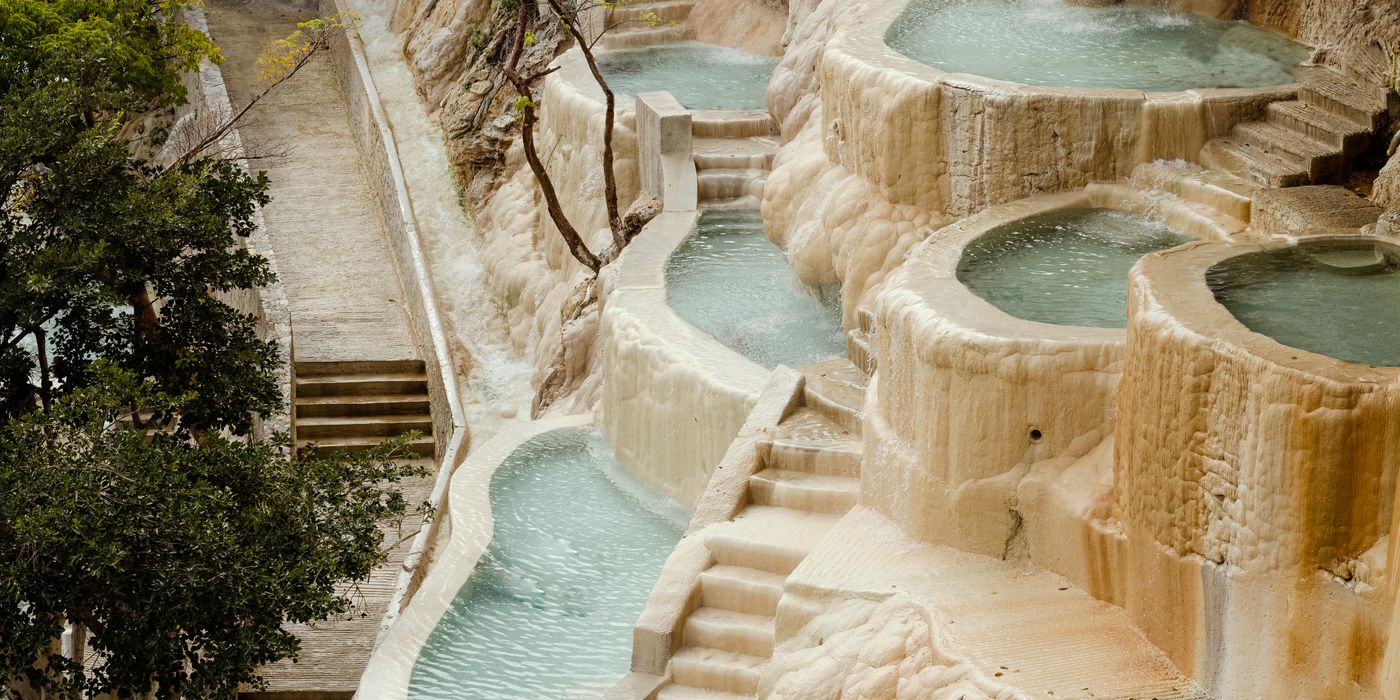
- Budapest is the world's spa capital, sitting on more than 100 thermal springs that feed roughly 50 baths, and soaking is a weekly social habit for residents rather than a one-off tourist stop.
- As of 2026 a weekday day ticket runs about HUF 12,000 to 14,200 at the big baths (Szechenyi and Rudas) and around HUF 7,000 at the local favourite Lukacs, with online booking cheaper than the door price.
- The Art Nouveau Gellert Bath is closed for restoration until about 2028, but Szechenyi, Rudas and Lukacs stay open all year, with outdoor pools kept warm even in winter.
- Weekends pair the baths with ruin bars, Danube walks and markets, giving a low-cost, high-quality rhythm that is a big reason newcomers stay.
Why do thermal baths define daily life in Budapest?
Budapest is the only capital in the world that markets itself as a spa city, and residents treat a soak in a thermal bath (Hungarian furdo, bath) as a normal part of the week rather than a holiday treat. The city sits on more than 100 natural thermal springs that deliver roughly 70 million litres of warm mineral water every day at temperatures between 21°C and 78°C, a supply so unusual that Budapest has carried the title City of Spas since 1934 (source).
For newcomers this matters because a lot of ordinary social life happens at the baths. People meet friends there on a Sunday morning, play chess on floating boards, ease sore muscles after the gym, or simply warm up in winter. Learning the bath habit is one of the quickest ways to feel local, and it sits at the centre of the wider rhythm covered across our daily life and culture guides.
How many baths are there, and which ones are open?
Around 50 baths and spas draw on the city's springs, and their story runs from Roman times through the Ottoman period. Roman legionaries used the waters at Aquincum in what is now Obuda, and several Turkish baths built during the occupation between 1541 and 1686 are still in use today (source). The grand bathhouses most people picture, however, mostly date from the late 19th and early 20th centuries.
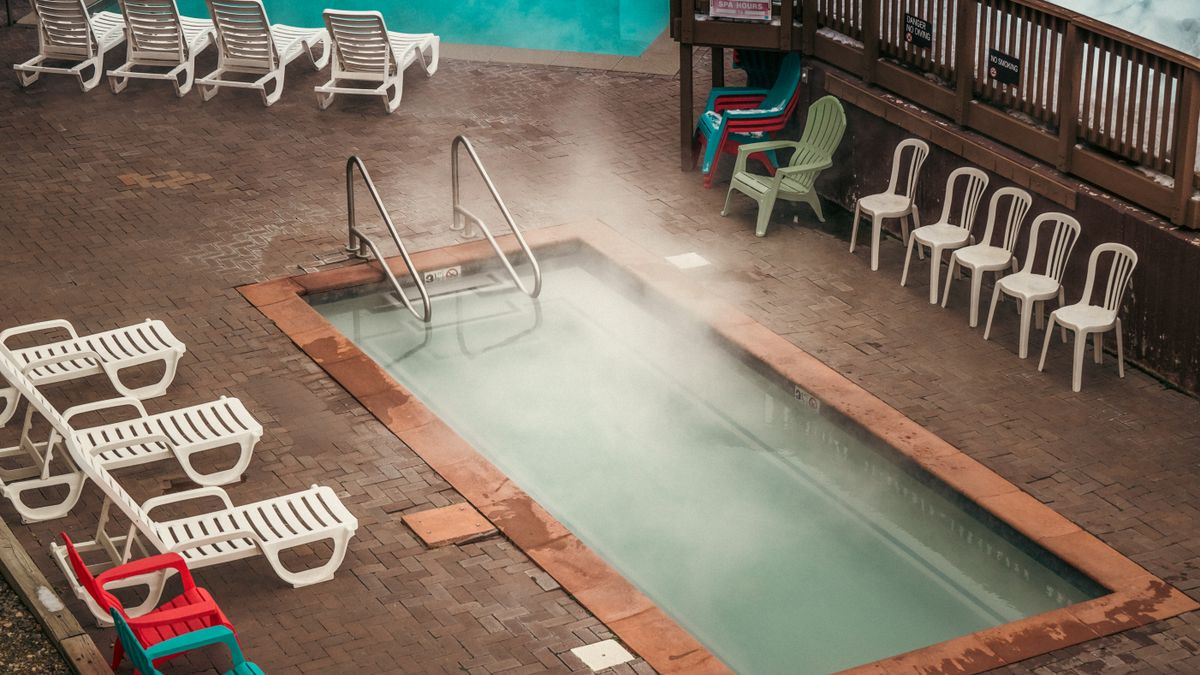
As of 2026 the baths most useful to residents are:
- Szechenyi: one of Europe's largest medicinal baths, known for its yellow neo-Baroque halls and huge outdoor pools in City Park.
- Rudas: a 16th-century Ottoman gyogyfurdo (medicinal bath) with an octagonal pool under a domed roof and a rooftop hot tub over the Danube.
- Lukacs: a calmer bath on the Buda side with a loyal local following, long favoured by writers and artists, and lower prices.
Two icons are offline right now. The Art Nouveau Gellert Bath closed on 1 October 2025 for a major restoration and is expected to reopen around 2028, with the municipal operator BGYH investing about 20 billion HUF in the work (source). The small Ottoman-era Kiraly Bath is also under renovation, so plan around both.
What does a thermal bath cost in 2026?
A day at the baths stays affordable by Western European standards, though prices at the flagship sites have climbed. As of 2026 a weekday day ticket with a locker costs about HUF 13,200 at Szechenyi (HUF 14,200 with a private cabin) and about HUF 12,000 at Rudas, while the local favourite Lukacs is around HUF 7,000 (source).
Booking online through each bath's official site is usually cheaper than paying at the door and lets you skip the ticket queue. A locker gives you a spot in a shared changing area, while a cabin adds a private changing room for a small premium, and weekend tickets cost a little more than weekday ones. If you are mapping out a monthly budget, set the baths against the wider numbers in our 2026 cost of living breakdown.
How do you get to the main baths?
The flagship baths are easy to reach on public transport, so you rarely need a car for a bath day. Szechenyi sits directly above the Szechenyi furdo stop on the yellow M1, the oldest underground line in continental Europe, a few minutes from the city centre. Rudas is on the Buda embankment below Gellert Hill, reachable by trams 19 and 41 or on foot across Elisabeth Bridge, and Lukacs stands next to Margaret Bridge on the Buda side, served by the busy 4 and 6 trams.
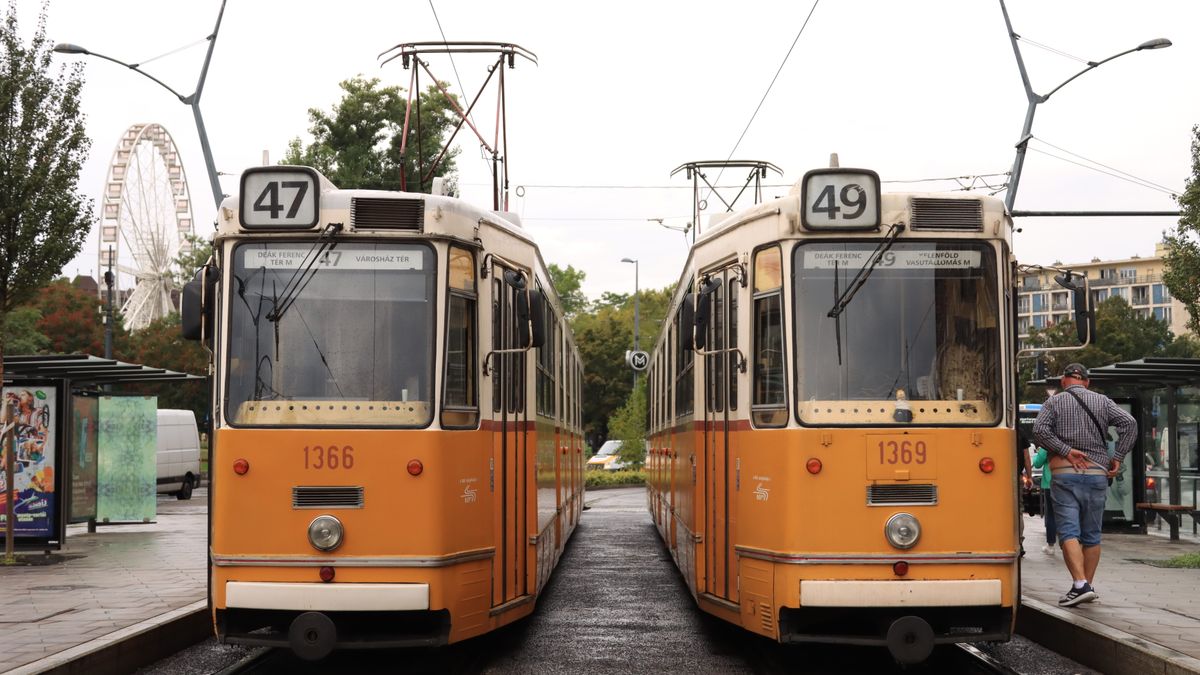
Tickets and passes run through the official BudapestGO app, and a single monthly transport pass covers unlimited trips to the baths and everywhere else in the city. Buying a pass rather than single tickets is the normal choice once you live here, and it keeps the cost of a weekly bath habit close to zero on the travel side.
Is bathing in winter really the best time?
Yes, and many residents would say winter is the whole point. The large outdoor pools at Szechenyi stay at a warm 38°C all year, so you can sit in steaming water while snow falls around you (source). The contrast between cold air and hot mineral water is exactly what pulls locals out on grey December mornings.
Autumn and winter are also quieter than the summer tourist peak, and the early slots just after opening are the calmest of all. For a wider view of the seasons and when to time a move, see our guide to Budapest's weather and the best time to move.
What should you know before your first visit?
The baths are relaxed, but they run on a few simple habits. Book your ticket online, bring flip-flops, a towel and a swimsuit, and expect a swim cap to be required only in the dedicated lap pools. Lockers and cabins open with an electronic wristband that also records your entry time, so you can move freely between pools, saunas and steam rooms.
Two points surprise newcomers. First, Rudas keeps single-sex days midweek in its historic Ottoman section, when bathers wear a small apron rather than swimwear, so check the schedule if you prefer mixed bathing. Second, the thermal pools are treated as quiet zones, so conversation stays low. Massages and wellness treatments are bookable on site, young children are kept out of the strong thermal pools, and the loud Saturday night pool parties at Szechenyi are a separate, tourist-focused event rather than the everyday bath.
What does a Budapest weekend look like beyond the baths?
The baths are one half of a weekend rhythm that makes Budapest feel generous for its price. On Friday and Saturday, Rudas runs late-night bathing from 22:00 to 03:00, with the rooftop tub open over the lit-up Danube (source). The other half is the city's famous ruin bar (Hungarian romkocsma, ruin pub) scene: Szimpla Kert opened in a derelict building in the old Jewish Quarter of District VII in 2004 and started the whole movement (source).
Add weekend farmers markets, long walks across the Danube bridges, open-air festivals in spring and summer, and party boats on the river, and a full weekend still costs far less than one in Vienna or Paris. Meeting people around these rituals is easy, and our guide to expat meetups and making friends shows where the international crowd gathers.
Are the baths good value if you live here?
For residents the baths shift from a one-off splurge into a routine. Choosing a neighbourhood bath such as Lukacs over the flagship Szechenyi roughly halves the price, and going early on a weekday avoids both the crowds and the higher weekend rates. Season passes and multi-entry tickets, sold through the operator, bring the cost down again for regulars who go every week.
The bigger point is quality of life. A city where a hot mineral soak, a riverside walk and a night in a ruin bar all fit into one affordable weekend is a large part of why so many newcomers decide to stay. Many residents also value the waters for practical reasons, from easing tired muscles to a warm winter routine, though any health claim is best discussed with a doctor rather than taken as medical fact. Weighed against rent, transport and groceries in our cost breakdown, a regular bath habit is one of Budapest's genuine bargains.
Frequently asked questions
Are Budapest's thermal baths open in winter?
Yes. Most of the city's baths operate year-round, and Szechenyi's large outdoor pools are kept at about 38°C even when it snows, which is why winter is a favourite time to visit (source).
Which thermal bath is best for a first visit?
Szechenyi suits a first grand outdoor experience, Rudas offers Ottoman atmosphere and a rooftop tub over the Danube, and Lukacs gives a quieter, more local feel. Note that the Gellert Bath is closed for restoration until about 2028 (source).
How much does a thermal bath cost in Budapest in 2026?
As of 2026 a weekday day ticket with a locker is about HUF 13,200 at Szechenyi, HUF 12,000 at Rudas and HUF 7,000 at Lukacs, and booking on each bath's official website is usually cheaper than the door price (source).
Do you need to speak Hungarian to use the baths?
No. The main baths handle English at the ticket desk and on their booking sites and signage, so language is rarely a barrier for a first visit, though a few polite Hungarian words are always welcome.
Are the baths only for tourists?
No. Residents use them weekly, and neighbourhood baths such as Lukacs keep a strong regular local crowd of all ages, from students to pensioners, alongside the more tourist-heavy flagship baths.
This article is general information for people relocating to Hungary, last reviewed in July 2026. It is not legal, tax or medical advice. Rules change often, so always confirm the current details with the official sources linked above before you act.
← Back to Daily Life, Money & Culture