Getting Around Budapest: BKK, BudapestGO and the Metro
- Download BudapestGO, the free official BKK app, to plan routes and to buy and validate tickets on your phone.
- A single ticket costs 500 HUF and a monthly Budapest pass 8,950 HUF as of 2026 (BKK).
- One integrated network covers four metro lines, trams, buses, trolleybuses and suburban HEV trains.
- Always validate before or as you board, and keep the ticket, because inspectors fine unvalidated riders.
How do you get around Budapest?
Budapest runs on one of Europe's most complete public transport networks, and for most newcomers a car is optional. The city transport authority, Budapesti Kozlekedesi Kozpont (BKK, the Centre for Budapest Transport), operates four metro lines, dense tram and bus routes, trolleybuses, suburban railways and seasonal river boats under a single, integrated ticket system.
The short version: download the free official BudapestGO app, then buy a single ticket for 500 HUF (just over one euro) or a monthly Budapest pass for 8,950 HUF and travel almost anywhere in the city without a car (source). This guide walks through the network, the app, 2026 fares, how to validate, the airport bus and night service, all part of settling into daily life in Budapest.
What does the BKK network cover?
Answer first: BKK ties every mode of city transport into one fare system, so a single ticket or pass works across all of them. You rarely need to think about which operator runs a given line, and you plan the whole trip in one app.
The network includes:
- Metro: four lines (M1 to M4) crossing the centre and the Danube.
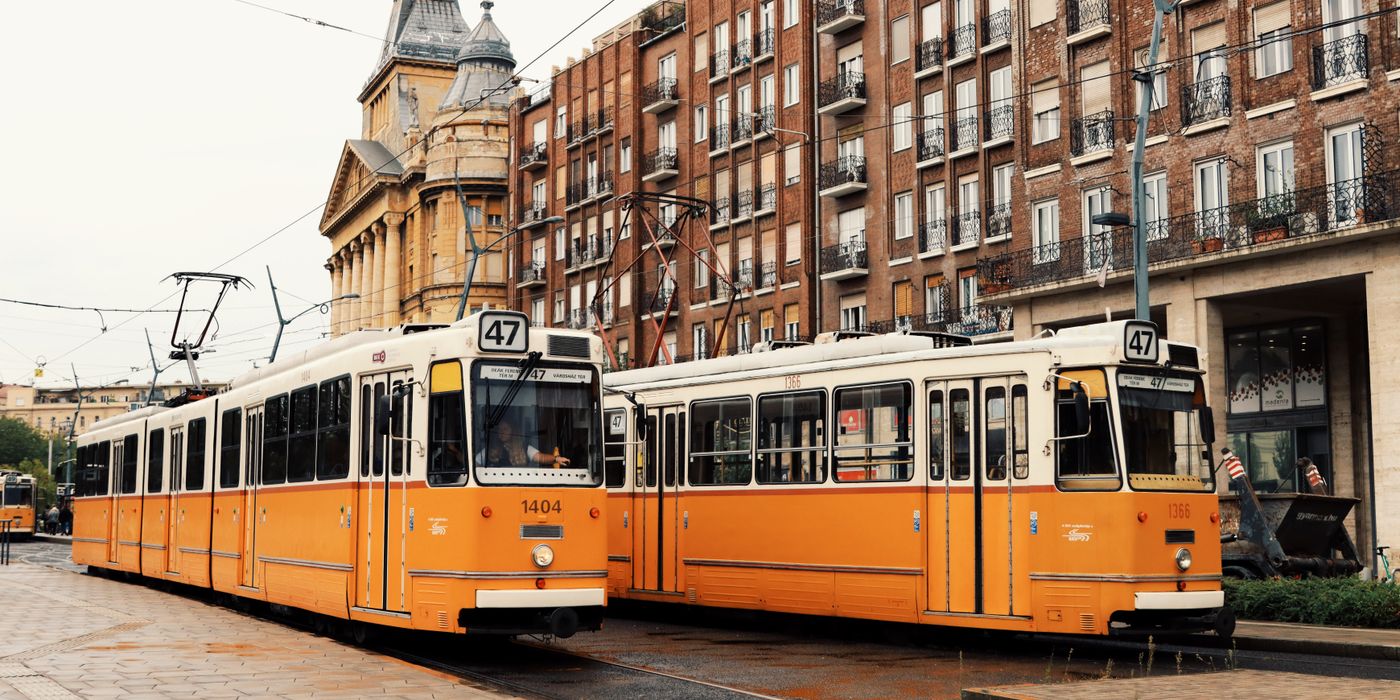
- Trams: one of the busiest tram systems in the world, with lines 4 and 6 circling the Nagykorut (Grand Boulevard).
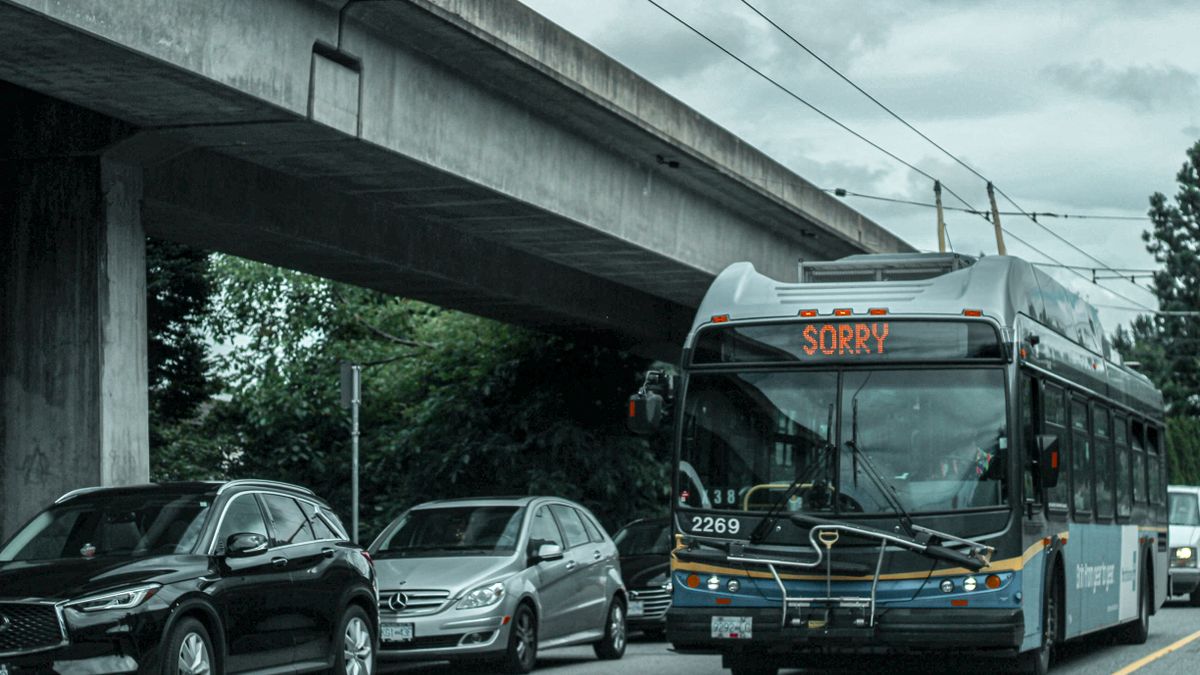
- Buses and trolleybuses: filling in everywhere the rails do not reach, including the Buda hills.
- HEV: the HEV (suburban railway) reaching Szentendre, Godollo, Rackeve and Csepel.
- Boats and bikes: seasonal Danube boat services and MOL Bubi, the public bike-share scheme run with BKK.
Route maps, live departures and disruption alerts for all of these sit inside the BudapestGO app, so you can plan door to door in one place (source).
How does the Budapest metro work?
The metro is the fastest way across the city, and it is genuinely historic. Line M1, the yellow line, opened in 1896 and is the oldest electrified underground railway on the European continent, now part of a UNESCO World Heritage listing (source).
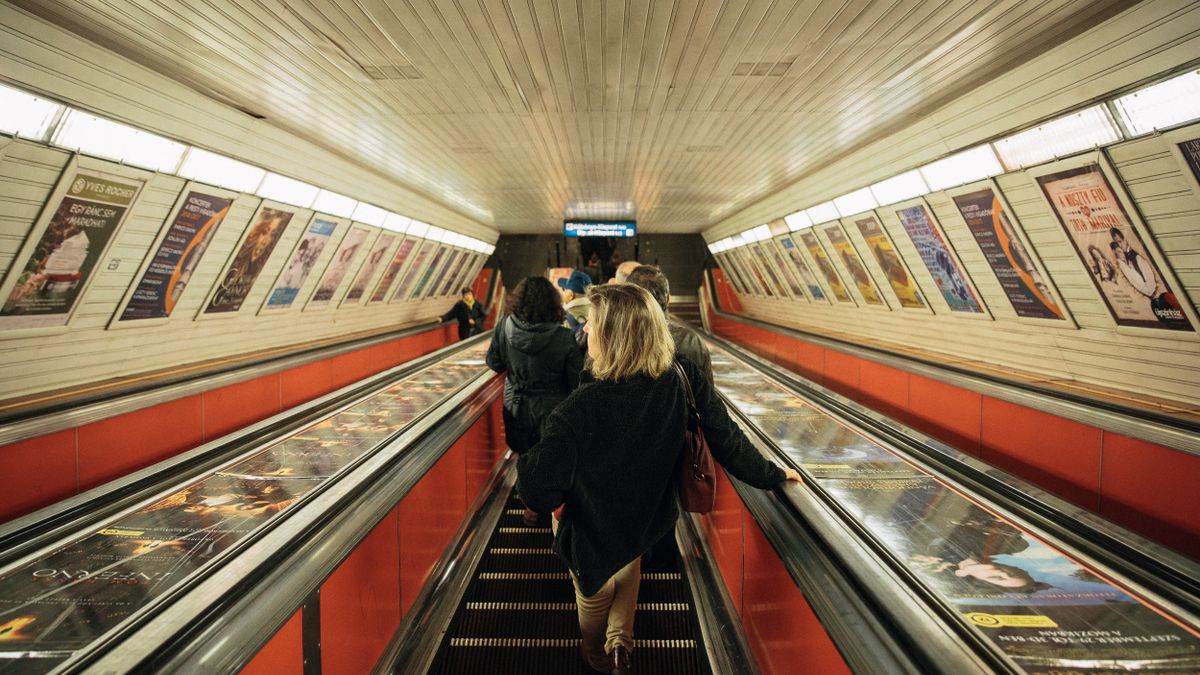
There are four lines, colour-coded and easy to navigate:
- M1 (yellow): runs shallow under Andrassy Avenue from the centre out to City Park.
- M2 (red): east to west, crossing under the Danube and linking Deli and Keleti stations.
- M3 (blue): north to south along the Pest side, recently renovated end to end.
- M4 (green): the newest line, opened in 2014, connecting Buda's Kelenfold to Keleti.
Trains are frequent, every few minutes at peak, and you never need a fresh ticket to change between metro lines. Validate before you pass the row of validators at the entrance, because the paid zone starts there.
Why is BudapestGO the first app to download?
Answer first: BudapestGO is the official BKK app, it is free, and it replaces almost every ticket machine and paper map (source). It is available in English for both iPhone and Android.

In one app you can:
- buy single tickets, time-based tickets and 24 or 72 hour travelcards, plus the 100E airport bus ticket;
- plan a route with real-time arrivals and service changes;
- validate a mobile ticket by holding the phone to an NFC sticker or by scanning a code;
- find and unlock MOL Bubi shared bikes.
You can buy without an account, but registering lets you store tickets in advance and save favourite stops. For contactless bank-card payment straight at the gate, BKK also runs Budapest Pay and GO, covered further down.
How much do tickets and passes cost in 2026?
Answer first: single rides are cheap and passes get cheaper the longer you stay. All prices below are the official BKK fares for travel inside Budapest as of 2026 (source).
- Single ticket: 500 HUF (700 HUF if bought on the spot from a driver).
- Block of 10 tickets: 4,500 HUF.
- 30-minute ticket: 600 HUF.
- 24-hour travelcard: 2,750 HUF.
- 72-hour travelcard: 5,750 HUF.
- Monthly Budapest pass: 8,950 HUF.
- Monthly student pass: 3,450 HUF; monthly pensioner pass: 3,330 HUF.
If you ride most days, the monthly pass pays for itself quickly: at 8,950 HUF it costs less than 18 single tickets. Public transport is usually one of the smaller lines in your Budapest cost of living budget.
How do you validate a ticket, and can you tap a bank card?
Yes, you must validate. A ticket is only valid once stamped or activated, and inspectors in plain clothes check regularly, issuing on-the-spot fines to anyone travelling without a valid, validated ticket.
How validation works by mode:
- Metro: validate at the machines before you pass into the paid zone; one validation then covers transfers between metro lines.
- Tram, bus, trolleybus, HEV: validate a paper ticket in the on-board machine as you board, or activate a mobile ticket in BudapestGO.
The simplest option for occasional trips is Budapest Pay and GO: tap a contactless bank card or phone on the reader and the system charges a single fare, so you skip tickets entirely (source). A local card from a Hungarian bank account works, and so does any contactless card, though a foreign card may add a currency fee.
How do you get from the airport to the city?
Answer first: the direct link from Liszt Ferenc International Airport to the centre is bus 100E, the Airport Express. A single 100E ticket costs 2,500 HUF, and if you already hold a valid Budapest pass you can buy a reduced add-on 100E ticket for 1,000 HUF instead (source).
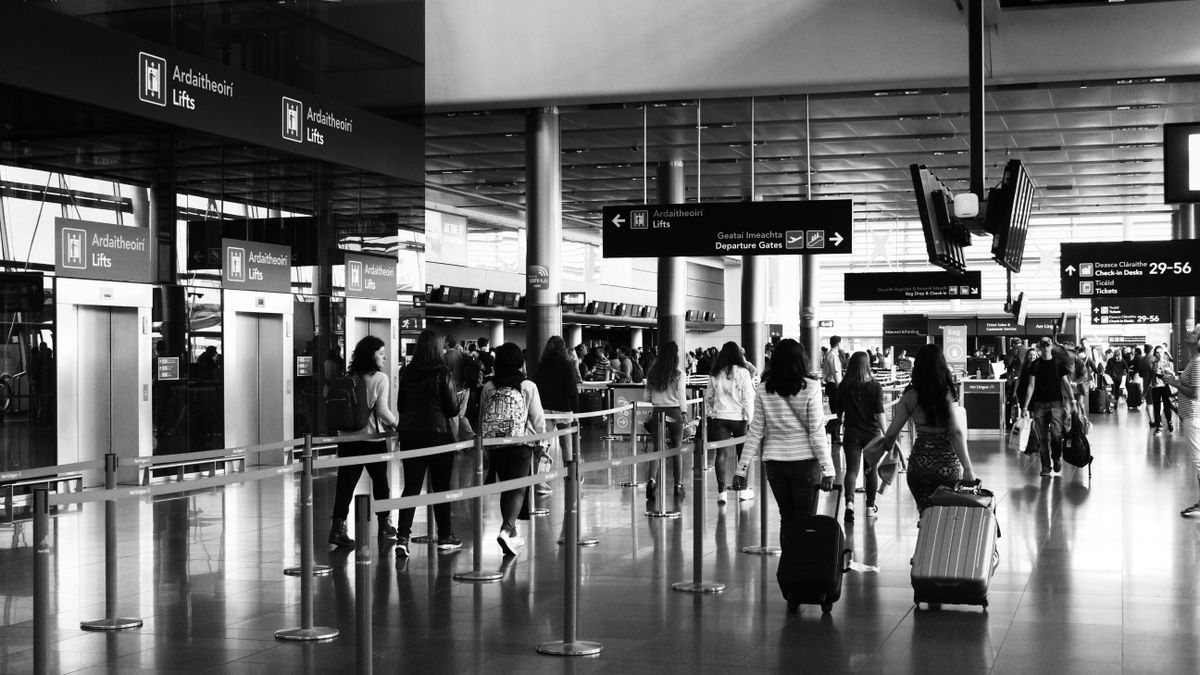
The 100E runs to Deak Ferenc ter in the heart of Pest, stopping at Kalvin ter on the way. Two things to know: a normal single ticket or a 24 to 72 hour travelcard is not valid on the 100E, so buy the dedicated ticket in BudapestGO, at the airport ticket office or by tapping a card on board. A cheaper but slower alternative is local bus 200E to Kobanya-Kispest, then metro M3 into the centre, using ordinary tickets.
What runs at night, and a few final tips?
Budapest does not shut down when the metro closes late in the evening. A full night network takes over: bus lines numbered from 900 cover the whole city, and tram 6 keeps running 24 hours along the Grand Boulevard (source). The same tickets and passes apply, so nothing extra is needed after dark.
A few final pointers for newcomers:
- MOL Bubi shared bikes and rental e-scooters fill gaps for short hops, all bookable by app.
- For taxis, use an app such as Bolt or Fotaxi rather than hailing on the street, so the fare is set in advance.
- If you plan to drive, check the rules on exchanging your driving licence, but in the inner districts transport and walking usually beat a car.
With a validated pass in BudapestGO, the whole city opens up for the price of a couple of coffees a week.
Frequently asked questions
Do I need to validate my ticket on Budapest public transport?
Yes. A paper ticket must be stamped in the on-board or station validator before your journey, and a mobile ticket in BudapestGO must be activated. Inspectors carry out frequent checks and fine passengers who ride without a valid, validated ticket.
Can I pay for Budapest transport with a contactless bank card?
Yes, through Budapest Pay and GO: tap a contactless card or phone on the reader and the system charges a single fare, with no ticket needed (source). Any contactless card works, though a foreign card may incur a currency fee.
How much is the 100E airport bus into Budapest?
A single ticket for the 100E Airport Express is 2,500 HUF, or a 1,000 HUF add-on if you already hold a valid Budapest pass (source). Standard single tickets and travelcards are not valid on the 100E.
Is a monthly BKK pass worth it?
If you travel most days, yes. The monthly Budapest pass is 8,950 HUF as of 2026, which is less than the cost of 18 single tickets at 500 HUF each (source). For a short stay, a 24 or 72 hour travelcard is usually better value.
Does Budapest public transport run all night?
The metro stops late in the evening, but a night network of buses numbered from 900 covers the city and tram 6 runs 24 hours on the Grand Boulevard (source). Your normal ticket or pass is valid on night services.
This article is general information for people relocating to Hungary, last reviewed in July 2026. It is not legal, tax or medical advice. Rules change often, so always confirm the current details with the official sources linked above before you act.
← Back to Daily Life, Money & Culture