Maternity in Budapest: Public vs Private Birth
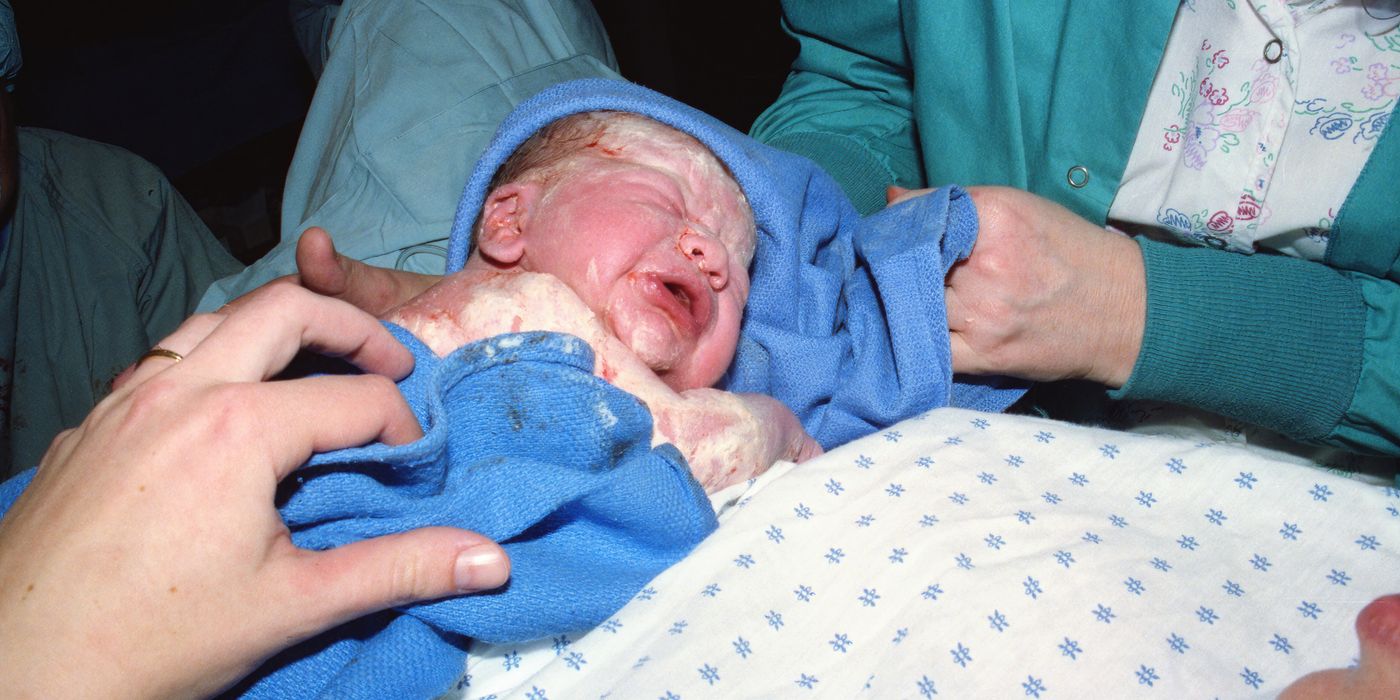
- Expats in Budapest choose between the public system (covered by a TAJ card or a European Health Insurance Card, mostly in Hungarian) and private clinics with English-speaking teams.
- Private delivery packages generally run from about 950,000 HUF to 3,400,000 HUF (roughly 2,400 to 8,600 euro) depending on clinic, room and whether your own doctor is included.
- Since gratitude payments became a criminal offence in 2021, the informal chosen-doctor route in public hospitals has gone, pushing many international families toward private packages.
- A baby born in Budapest to foreign parents is not automatically Hungarian: register the birth within 30 days and sort the newborn's residence papers and passport.
Where do expats give birth in Budapest?
Expats give birth in Budapest through one of two routes: the state system, which is covered for anyone holding a Hungarian TAJ (social security) card or a valid European Health Insurance Card, and private maternity clinics that bill per package and staff English-speaking teams. Both deliver in modern hospitals, and the medical standard of Hungarian obstetrics is high on either path.
The practical difference is language, continuity and comfort rather than clinical safety. Public wards operate mainly in Hungarian and assign the doctor on duty, while private clinics let you pick your obstetrician, guarantee an English-speaking team and offer private rooms. Cost is the trade-off: public maternity care is essentially free for the insured, whereas a private birth package in Budapest starts around 950,000 HUF (about 2,400 euro) according to published clinic price lists.
What does a public hospital birth cover?
A public birth is covered by the state for residents who hold a TAJ card and for EU or EEA visitors presenting a European Health Insurance Card, so out-of-pocket delivery costs are minimal (source). You deliver in a district or university hospital, and clinical outcomes are generally strong.
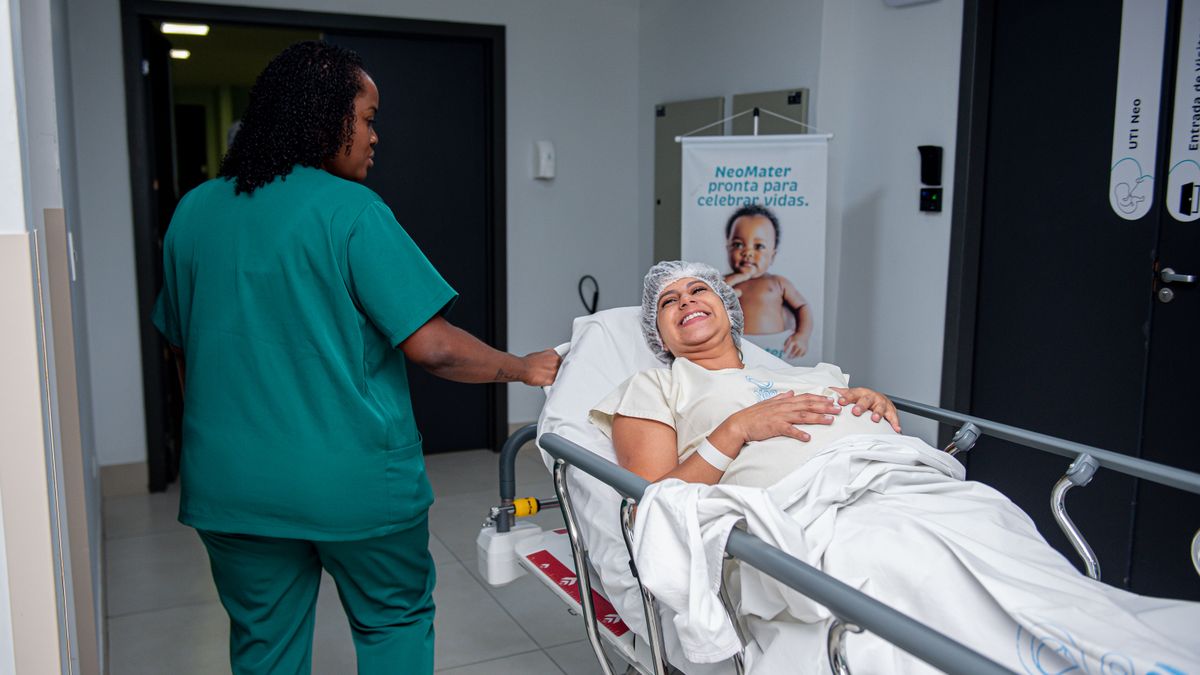
Prenatal care on the public track runs through a local vedono (health visitor) and an obstetrician. Once pregnancy is confirmed you are issued a kiskonyv (pregnancy booklet) that records scans and test results across the pregnancy, and routine ultrasounds and blood tests are included (source).
The main drawbacks for newcomers are language and comfort. Staff outside the largest teaching hospitals may speak limited English, shared wards are common, and the doctor who delivers is usually whoever is on shift. Bringing a Hungarian-speaking friend or a hired interpreter is a common workaround for the delivery itself.
Why did the chosen-doctor system change?
For decades many Hungarian families paid their obstetrician informally so that the same doctor would follow them from prenatal visits through the delivery, a practice known as halapenz (gratitude money). Since 1 January 2021 giving or accepting these payments is a criminal offence, which effectively ended the informal chosen-doctor route in public hospitals (source).
Before the ban, women commonly paid a chosen practitioner privately to secure continuity of care, with reporting citing an average of around 191 euro (source). With that avenue closed, families who want a named doctor and a guaranteed English-speaking team increasingly book a formal private package instead.
How much does a private birth in Budapest cost?
Private delivery packages in Budapest generally run from about 950,000 HUF to 3,400,000 HUF (roughly 2,400 to 8,600 euro) depending on the clinic, the room and whether your own doctor is included. These are self-pay medical packages, not add-ons to the public system.

At Duna Medical Center the Classic package is 950,000 HUF, Premium 1,350,000 HUF and the all-inclusive Exclusive package 2,090,000 HUF, with your own obstetrician available for an extra 300,000 HUF and a chosen midwife for 200,000 HUF on the lower tiers (source). At Maternity Private Clinic the standard delivery package is 1,700,000 HUF and the exclusive version 3,400,000 HUF (source).
Read each package carefully: base prices may exclude the obstetrician and midwife fees, a private room, epidural pain relief or extra nights. Ask in writing what a caesarean, a longer stay or a complication would add before you commit, because the headline number is rarely the final bill.
How does prenatal care work for foreigners?
Whichever birth you plan, prenatal care starts early: confirm the pregnancy, then choose between the public vedono and obstetrician track or a private prenatal package. Many international families mix the two, using public scans while paying privately for an English-speaking obstetrician they trust.
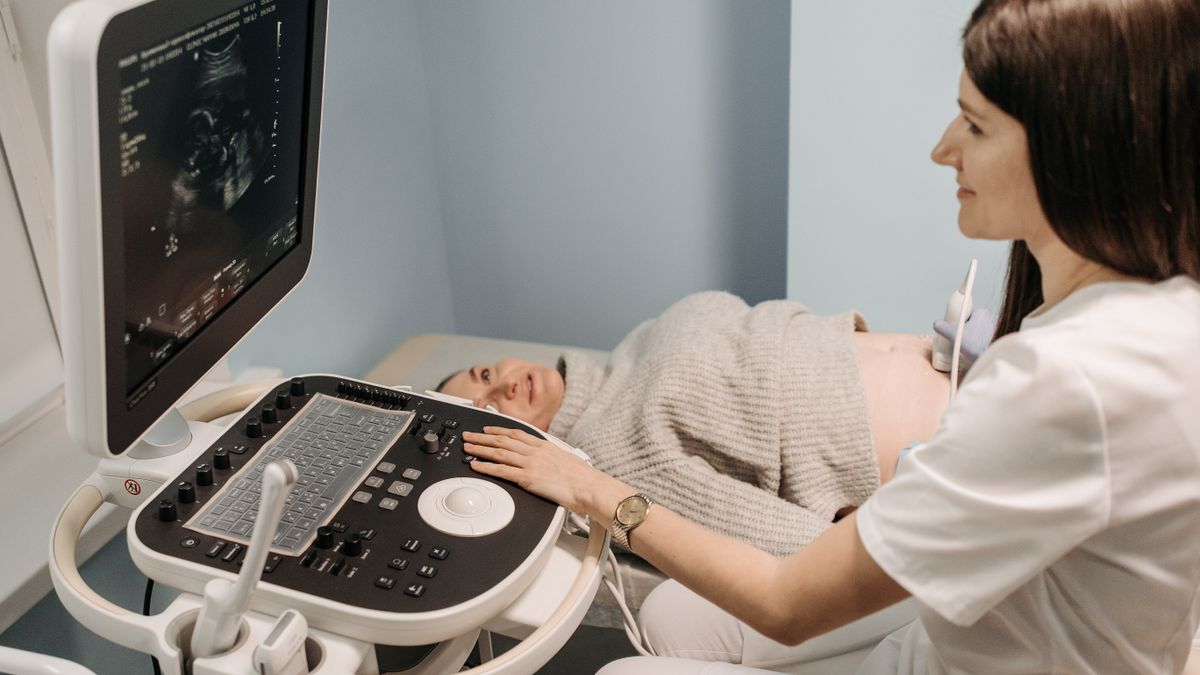
Private prenatal follow-up is sold either per visit or as a bundle. A single private consultation with a 2D ultrasound is around 49,000 HUF, and a full prenatal package covering weeks 12 to 37 is listed at 890,000 HUF (source). Booking the prenatal package and the delivery at the same clinic usually buys you the continuity that the public system no longer offers.
If you plan to deliver publicly but want reassurance in your own language, a hybrid approach works well: private consultations for the conversations that matter, and the public hospital for the birth itself.
Public or private: how do you choose?
The decision usually comes down to budget, language and how much you value continuity. If you speak some Hungarian or can bring an interpreter, are comfortable with the doctor on duty and want to keep costs near zero, the public system is medically sound. If you want a named obstetrician, an English-speaking team around the clock and a private room, budget for a package.
Timing and district matter too. Popular private clinics book out, so enquire early in the pregnancy. For the wider picture of raising a child here, see the family and education guide, and plan ahead for a pediatrician for your newborn so care is in place from day one.
What paperwork comes after the birth?
A baby born in Budapest to foreign parents does not automatically become Hungarian: citizenship follows the parents, not the place of birth. The hospital notifies the local anyakonyvi hivatal (registry office), which issues the birth certificate, and the birth must be registered within 30 days (source).

Next steps depend on your status. Newborns of insured residents are generally enrolled for a TAJ card automatically, and a child born in Hungary to a non-EU parent who already holds a residence or settlement permit is issued a national residence card on notification of the birth (source). Foreign parents should also register the birth with their own embassy and obtain the baby's passport.
Working parents who contribute to Hungarian social security may then qualify for maternity and parental support. See the guide to CSED, GYED and family benefits for who qualifies and how to claim.
Will insurance pay for the birth?
Coverage depends on your status. EU and EEA residents insured in another member state can use an S1 form or a European Health Insurance Card for public maternity care, while Hungarian residents rely on their TAJ card, all through the national health fund (source).
Private packages are usually self-pay, though some clinics will bill an international insurer directly if you arrange it in advance. Check whether your private policy has a waiting period for maternity (many do), confirm what a caesarean or neonatal care would cost, and get any direct-billing agreement in writing before your due date. For the broader system and how to secure cover, see the TAJ card and health insurance guide.
Frequently asked questions
Can you give birth for free in Budapest?
Yes, if you hold a Hungarian TAJ card or, as an EU or EEA visitor, a European Health Insurance Card, public maternity care is covered by the state and out-of-pocket delivery costs are minimal. Private clinic packages are separate and self-pay, starting around 950,000 HUF.
Do doctors and midwives speak English in Budapest maternity clinics?
Private clinics guarantee English-speaking teams, which is a large part of why expats use them. Public hospitals vary: more English is available in large teaching hospitals and less elsewhere, so many families bring an interpreter or a Hungarian-speaking friend for a public birth.
Is my baby Hungarian if born in Budapest?
No. Hungary grants citizenship by descent, not by place of birth, so a baby born to foreign parents takes the parents' nationality. Register the birth within 30 days, then arrange the newborn's residence papers and a passport through your own embassy.
How much does a private birth in Budapest cost in 2026?
Roughly 950,000 HUF to 3,400,000 HUF depending on the clinic and the options you choose, with your own obstetrician often an extra 300,000 HUF. Published price lists put Duna Medical Center packages from 950,000 HUF and Maternity Private Clinic delivery from 1,700,000 HUF.
Can you still choose your own doctor for a public birth?
The informal chosen-doctor arrangement ended when gratitude payments (halapenz) became a criminal offence in 2021. For a guaranteed named obstetrician who follows you from prenatal care through delivery, most families now book a formal private package instead.
This article is general information for people relocating to Hungary, last reviewed in July 2026. It is not legal, tax or medical advice. Rules change often, so always confirm the current details with the official sources linked above before you act.
← Back to Family & Education