Healthcare for Children in Budapest: Pediatricians and Vaccinations
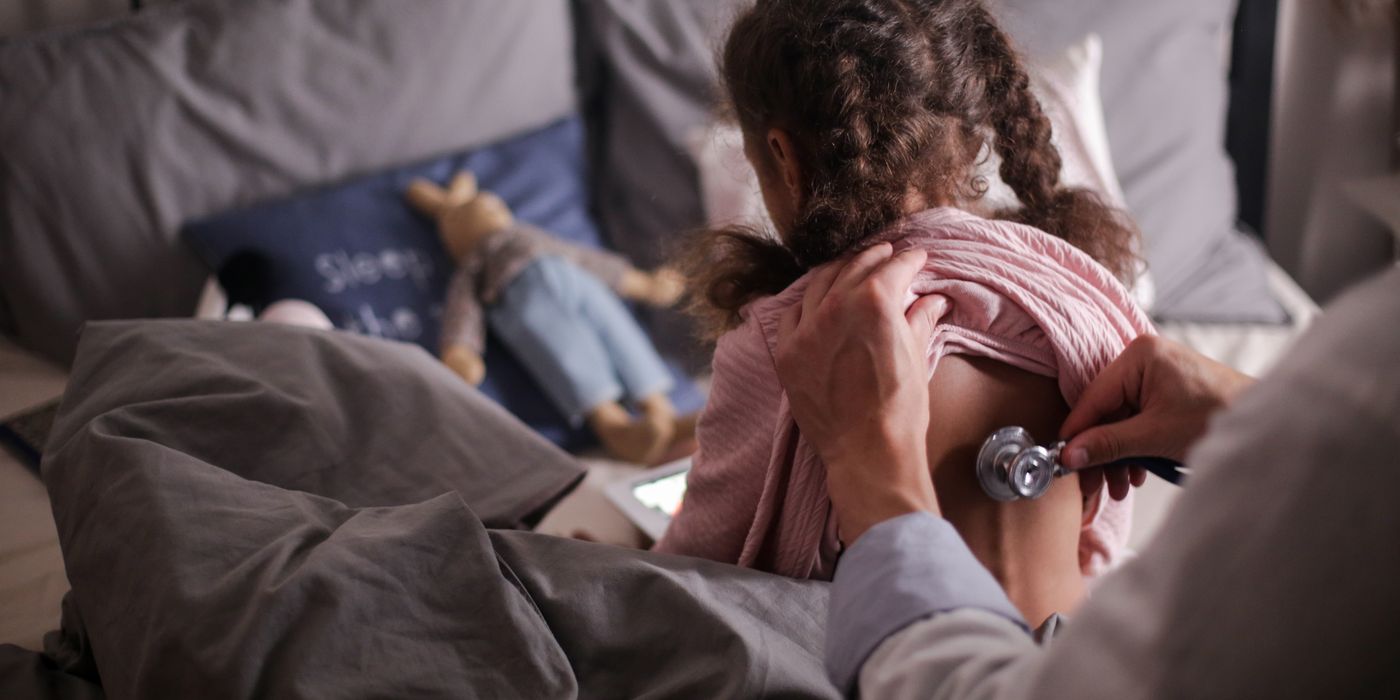
- Resident children get free public pediatric care with a TAJ number, while a private English-speaking pediatrician visit runs roughly 24,000 HUF to 29,000 HUF (about 60€ to 75€).
- Hungary runs one of Europe's strictest mandatory childhood vaccination programmes: BCG at birth, a DTPa+IPV+Hib series at 2, 3 and 4 months, then MMR and boosters at school age.
- Every child needs a TAJ number to use the public system; newborns are registered after birth and children arriving from abroad get one once residence and address paperwork clear.
- Many expat families combine a public pediatrician for vaccines and paperwork with a private clinic for same-day, English-language consultations.
How does healthcare for children work in Budapest?
Children who live in Budapest have two overlapping options: free public care through the national system, and faster private care in English. Every resident child is assigned a district pediatrician, and families who want same-week appointments in English use one of the city's private international clinics.
Both paths run in parallel. Most expat families register with a public pediatrician for vaccinations and official paperwork, then keep a private clinic for sick visits and evening emergencies. The document that unlocks the free public side is the child's TAJ number (the Hungarian health insurance identifier), covered in detail in getting a TAJ card.
This guide explains what is free, how to find an English-speaking pediatrician, what private visits cost, how the public pediatric system is organised, and which childhood vaccinations Hungary makes mandatory.
Is children's healthcare free in Hungary?
Yes. Minors are entitled to publicly funded healthcare in Hungary whether or not they pay contributions themselves, so a resident child sees the district pediatrician, receives mandatory vaccines and is treated in hospital at no charge (source). Dental care is also free for everyone up to 18 years of age.
The practical requirement is a TAJ number for the child. Children of a parent who is insured in Hungary are covered on that basis, and newborns are registered into the system after birth. Families arriving from abroad request the child's TAJ once the residence and address paperwork is in place, which is one of the many tasks in the wider family relocation checklist.
Private clinics are never free, but many expat parents pay for them anyway to skip waiting rooms, book quickly and be seen in English. The free public option and the paid private option are not mutually exclusive: most families use both.
How do you find an English-speaking pediatrician in Budapest?
The fastest route is a private international clinic with a dedicated pediatric team. Several Budapest clinics advertise English-speaking pediatric care from birth through adolescence, including well-child checkups, sick visits, vaccinations and specialist referrals. Booking is usually by phone, web form or messaging app, often for the same or the next day.
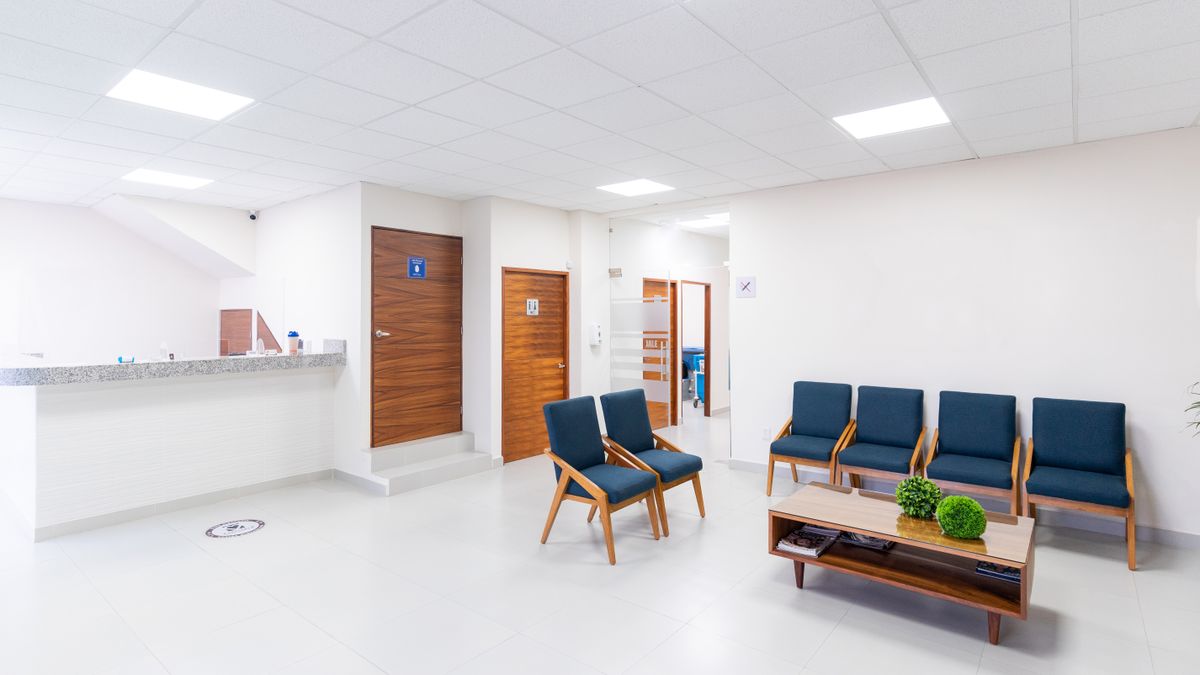
Practical ways to find one:
- Start with private international clinics that publish English pediatric pages, such as FirstMed and Expat Medical Clinic.
- Ask in established expat parent groups for a named pediatrician rather than only a clinic, since continuity with one doctor matters for children.
- For nights and weekends, keep the number of a 24/7 English-speaking house-call service on hand before you need it.
Ask whether the pediatrician administers vaccines in-house, handles the paperwork nurseries and schools require, and can refer to English-speaking specialists. For a broader picture of clinics and specialists across languages, see how healthcare in Hungary works.
What does a private pediatrician cost in Budapest?
Budget roughly 24,000 HUF to 29,000 HUF for a standard private pediatric consultation in Budapest (about 60€ to 75€ at 2026 exchange rates). Crowd-sourced price data puts a short private doctor visit at around 24,000 HUF (source), while a mid-range private clinic lists a pediatric consultation at 29,000 HUF (source).

Extras add up quickly. Vaccines given privately, laboratory tests, an after-hours surcharge and home visits are all billed on top of the consultation. A 24/7 house call by an English-speaking doctor costs considerably more than a daytime clinic visit. Premium clinics also sell annual pediatric membership plans, which can work out cheaper than pay-per-visit for families who expect frequent appointments.
None of this replaces the free public option. The private fee buys speed, English and continuity with one doctor, not medically different treatment.
How does the public pediatric system work?
Public primary care for children is delivered by a házi gyermekorvos (district pediatrician) rather than a general family doctor. Hungary leans heavily on dedicated child specialists: roughly 80% of children under 14 are followed by a primary-care pediatrician rather than a GP (source). You register your child with the pediatrician whose district covers your registered address, and visits, referrals and prescriptions there are free with a TAJ number.
A second pillar is the védőnő (health visitor or district nurse), a distinctive Hungarian institution. The health visitor follows pregnancy and early childhood, makes home visits to newborns, and runs regular growth and development checks alongside the pediatrician. Appointments in the public system are usually in Hungarian, which is why many expat families pair a public pediatrician for vaccines and official documents with a private clinic for English-language consultations.
Which childhood vaccinations are mandatory in Hungary?
Hungary runs one of Europe's strictest and most comprehensive mandatory childhood vaccination programmes, and parents cannot opt out of the compulsory shots (study). The schedule is set nationally and delivered free through the public system.
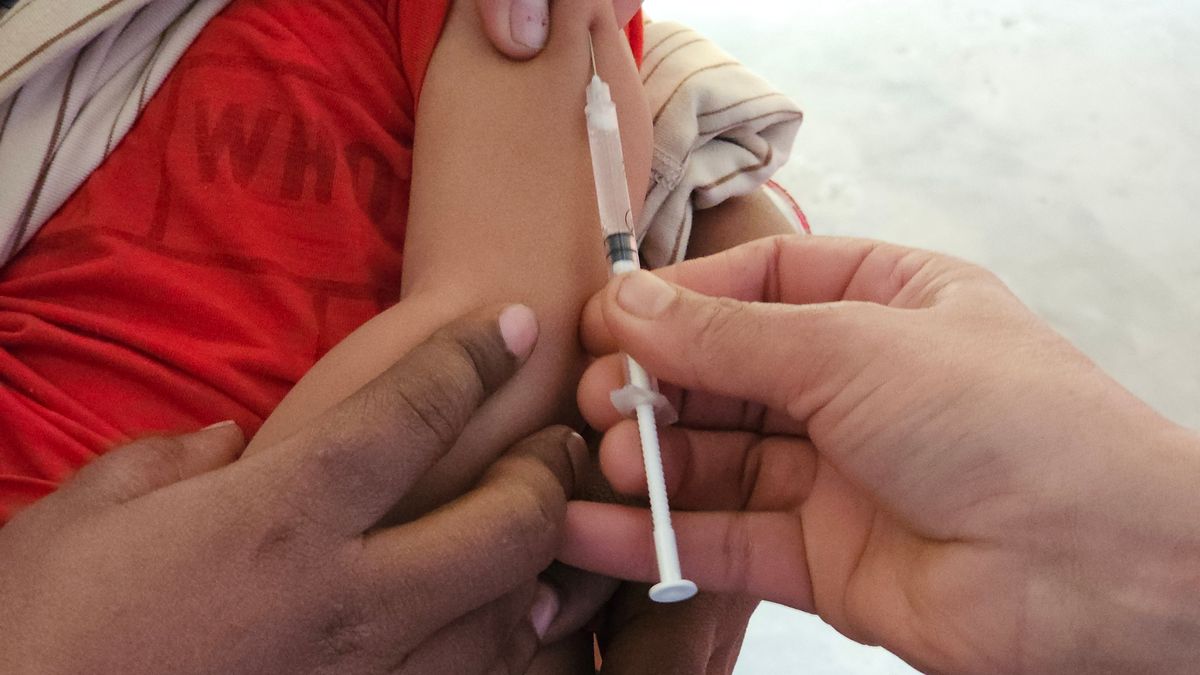
According to Egészségvonal, the official public health line, the mandatory schedule includes:
- BCG (tuberculosis) for every newborn, given at the maternity ward or within four weeks of birth.
- A combined DTPa + IPV + Hib primary series at 2, 3 and 4 months (diphtheria, tetanus, pertussis, polio and Haemophilus influenzae type b).
- MMR (measles, mumps and rubella) and a dTap booster delivered as school-year campaign vaccines, the booster in the sixth grade of primary school.
The compulsory list also covers pneumococcal disease and, for recent birth cohorts, chickenpox (ECDC vaccine scheduler). Separately, the HPV vaccine is offered free through school campaigns to seventh-grade girls and boys, with parental consent (source).
What if my child was vaccinated abroad?
Bring your child's full vaccination record, ideally translated. At the first appointment, the pediatrician compares it against the Hungarian mandatory schedule and plans any catch-up doses so the child is aligned with the national programme. This matters before enrolling in a Hungarian nursery or school, both of which check immunisation status.
Because the compulsory vaccines differ slightly from those in other countries (BCG at birth is a notable example), children moving from abroad sometimes need shots they would not have received at home. Discuss timing with the pediatrician rather than assuming records transfer automatically, and keep the Hungarian record safe for school enrolment and travel. Formulate specific questions for the doctor: the information here is general and each child's history is different.
How do you register your child and get a TAJ number?
Newborns are entered into the system after birth. The hospital issues the documents you use to register the birth, obtain the child's TAJ number and add the baby to the family's address registration. Parents who gave birth in Budapest handle most of this in the weeks after delivery.

For children arriving from abroad the sequence is residence status first, then the lakcímkártya (address card), then the TAJ number, then registration with a district pediatrician. Only once the TAJ is active does the public system treat the child free of charge, which is exactly why many families rely on a private pediatrician in the first weeks while the paperwork clears. Keep the address card and TAJ card together, because clinics, nurseries and schools all ask for them.
Frequently asked questions
Do children need a TAJ number to see a pediatrician in Hungary?
For the free public system, yes. A child uses a TAJ number to see the district pediatrician, receive vaccinations and be treated in hospital. Children of an insured parent are covered on that basis, and newborns are registered after birth. Private clinics do not require a TAJ number, but they charge a consultation fee.
Are childhood vaccinations mandatory in Hungary?
Yes. Hungary has one of Europe's strictest mandatory childhood vaccination programmes and parents cannot opt out of the compulsory shots. They begin with BCG for newborns and a DTPa+IPV+Hib series at 2, 3 and 4 months, followed by MMR and boosters given as school campaigns (source).
How much does an English-speaking pediatrician cost in Budapest?
A standard private pediatric consultation runs roughly 24,000 HUF to 29,000 HUF (about 60€ to 75€), with home visits, after-hours care and vaccines billed on top (source, source). The public district pediatrician is free with a TAJ number.
Can my child use a public pediatrician without speaking Hungarian?
Public district pediatricians and health visitors usually work in Hungarian, so many expat families use the public system for vaccines and paperwork and a private English-speaking clinic for consultations. Bringing a Hungarian-speaking friend or an interpreter to public appointments helps a great deal.
This article is general information for people relocating to Hungary, last reviewed in July 2026. It is not legal, tax or medical advice. Rules change often, so always confirm the current details with the official sources linked above before you act.
← Back to Family & Education