Is Budapest Safe? What the Data Says
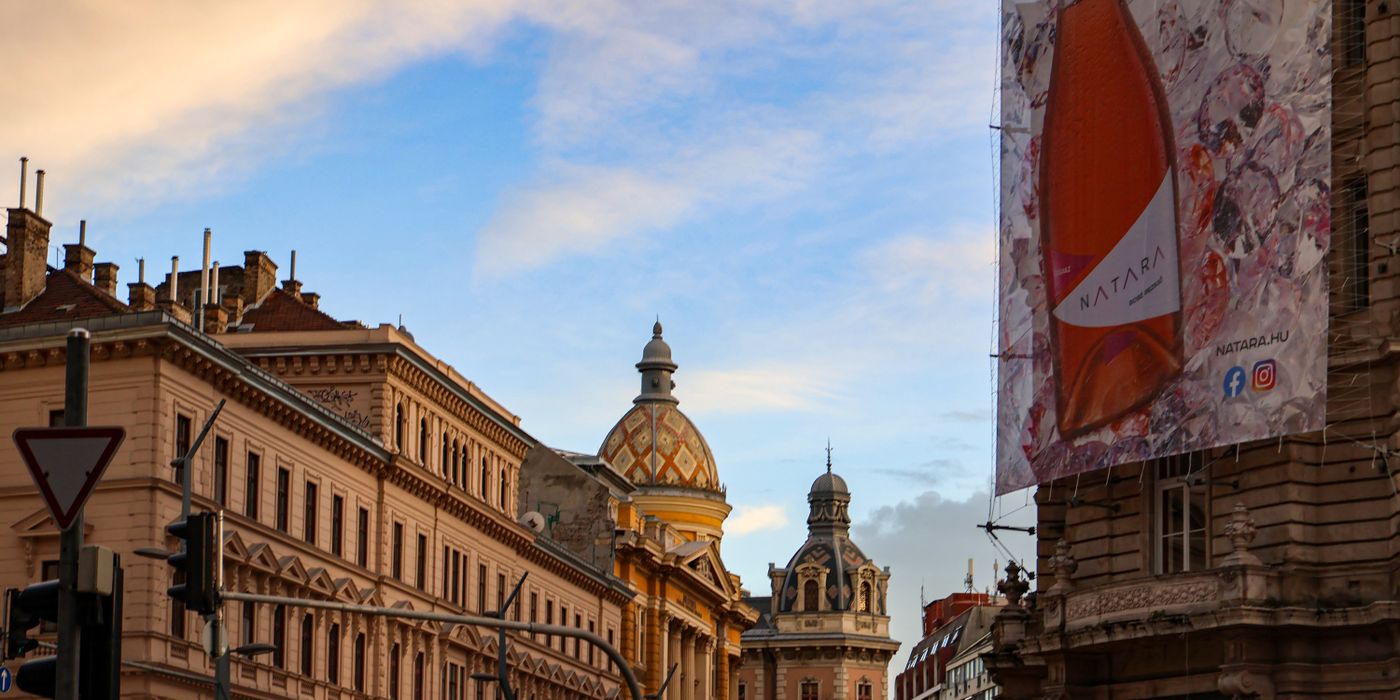
- Yes. Budapest is one of Europe's safer capitals: its Numbeo crime index sits near 34 (a low reading, below London and Paris), and Hungary carries a Level 1 US travel advisory as of 2026.
- Serious violent crime is rare. The genuine risks are almost all financial: pickpocketing in crowds, a few taxi tricks and one persistent bar scam in tourist zones.
- Central districts (V, VI, VII, XIII and leafy I and II) are well-lit and comfortable day and night; use licensed taxis or the Bolt app rather than street cabs.
- The single emergency number is 112, answered 24/7 in Hungarian, English and German.
Is Budapest safe?
Yes. Budapest ranks among the safer capital cities in Europe, and the numbers support it rather than just reassurance. On Numbeo's crime index the city sits around 34 out of 100 (a low reading), well below London at 54.6 and Paris at 57.7, according to current Numbeo data. The United States government places Hungary at Level 1, its lowest advisory tier, meaning visitors should simply exercise normal precautions, per the US State Department advisory (as of 2026).
For anyone moving here the reassuring headline is that serious violent crime is uncommon, and the real risks are almost entirely about your wallet: pickpocketing in busy spots, a handful of taxi and menu tricks, and one bar scam that has targeted tourists for years. Knowing these in advance removes most of the worry, and the sections below walk through the data, the scams, the safest districts and what to do in an emergency.
What do the safety statistics say?
Crowd-sourced and official measures line up on the same conclusion. Numbeo gives Budapest a safety index near 66 out of 100, with residents reporting a very high sense of security walking alone in daylight (around 85) and a comfortable one at night (around 63), based on its Budapest crime page. Those are the readings of a low-crime city, not a merely average one.
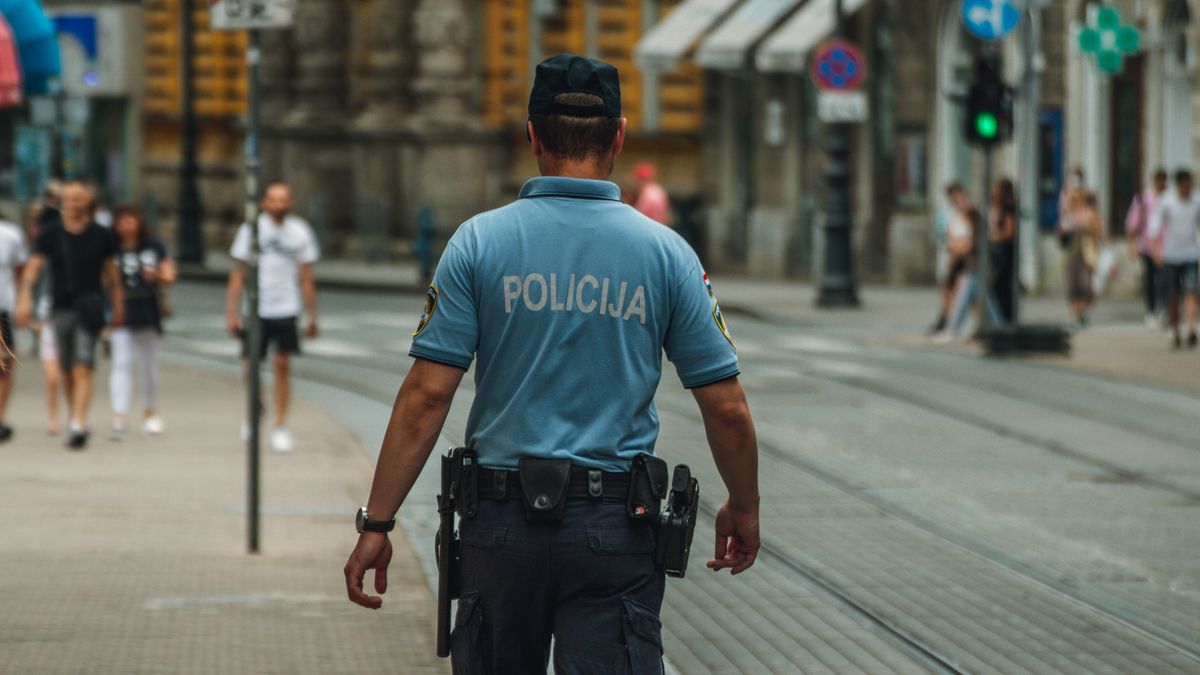
Wider European figures point the same way. Drawing on 2023 Eurostat data, one 2026 review notes Hungary's theft rate at roughly 531 offences per 100,000 people, far below France (about 1,991), Germany (about 1,410) and Austria (about 1,212), per this safety guide. Hungary's official statistics office, the Central Statistical Office (KSH), publishes the underlying national crime data for anyone who wants the primary source.
Is the real risk violent crime or petty theft?
For newcomers the honest answer is petty theft, not violence. Muggings and random attacks on the street are rare in central Budapest, and Numbeo records low worry scores for being mugged (near 27) or attacked (near 27), against a higher concern for everyday property crime (near 44), from the same data set. In practice that means keeping an eye on your bag, not on your back.
Pickpocketing clusters in predictable places: packed trams and metro lines, the Great Market Hall, busy tourist streets and the international trains toward Vienna and Bratislava, which the US advisory flags specifically. The countermeasures are simple:
- Carry your phone and wallet in a front pocket or a zipped inside pocket, not a back pocket or an open tote.
- Stay aware when a tram or metro car is crowded, which is exactly when a distraction is used.
- Keep bags closed and in front of you at markets and on escalators.
None of this is unusual for a European capital, and it is markedly less of a problem here than in Barcelona, Rome or Paris.
Which scams should newcomers watch out for?
A short list of money scams accounts for most complaints, and all are avoidable. Taxi overcharging is the classic one: a licensed Budapest taxi is yellow with a company logo, a posted fare table and a working meter, so the safest habit is to order through a reputable app such as Bolt rather than hailing an unmarked car at a station or the airport. The official transport app and licensed cabs are covered in the guide to getting around on BKK and the metro.
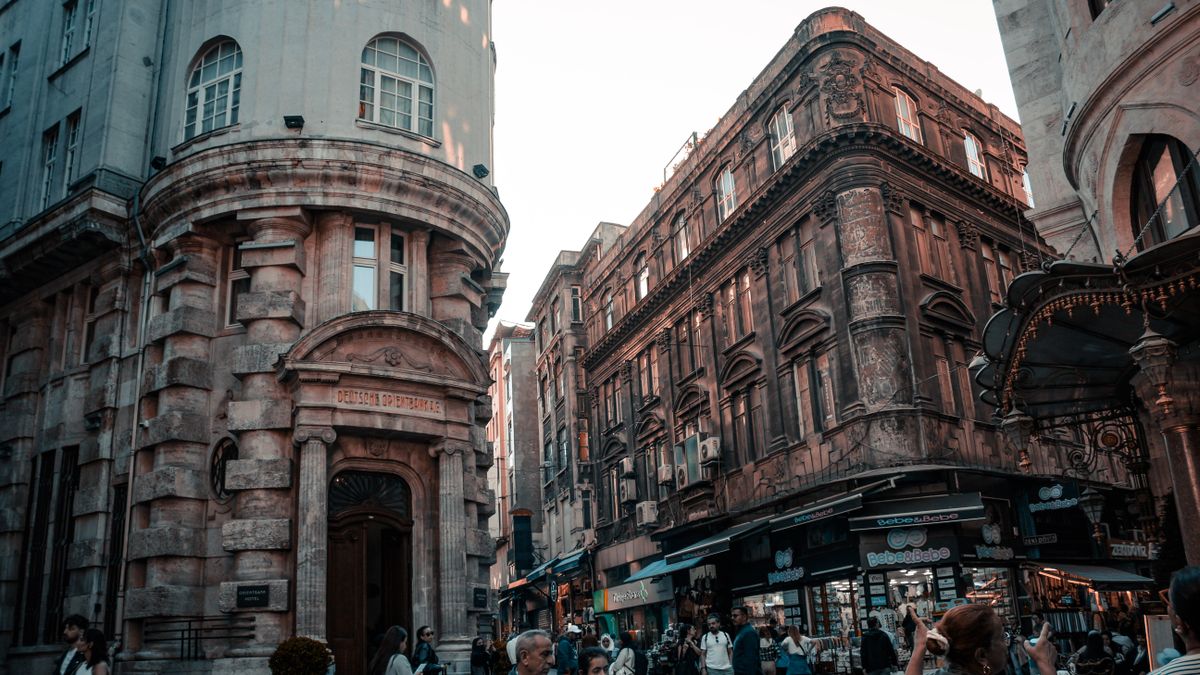
The most notorious trap is the bar scam sometimes called the konzumlany (consumption girl) routine, where a friendly stranger steers a lone visitor into a bar and an inflated bill follows. It concentrates in a few nightlife and tourist-street venues, so choosing your own bar and checking prices before ordering defuses it. Two smaller ones round out the list:
- Restaurant menus in heavily touristed zones that omit prices or add unexpected service charges: check the printed price and the bill.
- Card terminals and ATMs offering to charge you in euros: always pay in forint (the local currency) and decline the merchant's own conversion, which typically adds around 3.5%.
Which Budapest districts are safe to live in?
Budapest is divided into 23 numbered districts, and the central ones favoured by expats are both convenient and safe. On the Pest side, districts V (Belvaros), VI (Terezvaros) and VII (Erzsebetvaros) are central, well-lit and busy late into the evening, while XIII (Ujlipotvaros) is a calm, family-friendly choice a short walk north. Across the river the leafy Buda districts I and II offer quiet, green streets that many families and retirees prefer.
As in any large city, a few outer areas feel less polished after dark, and parts of the large VIII district (Jozsefvaros) have historically had a rougher reputation, though much of it has been steadily renewed and its inner section around the Palace Quarter is now sought after. The practical takeaway is ordinary common sense rather than avoidance: stick to lit main streets late at night and the central districts are comfortable to walk. For a fuller profile-by-profile view, see the pillar guide to the best districts in Budapest.
Is Budapest safe at night and for solo women?
Budapest is widely rated one of the safer European cities for solo travel, including for women. Central districts stay lit and busy well past midnight, public transport runs a full night-bus network, and Numbeo's perception score for walking alone at night sits at a comfortable level (around 63), from its Budapest figures. Most residents move around the centre at night without incident.

The sensible precautions are the familiar ones anywhere. Keep to main, well-lit streets when returning late, use a booked taxi or the Bolt app rather than an unmarked street cab, and in nightlife settings watch your drink and be wary of an over-friendly stranger insisting on a particular bar, which is the setup behind the consumption-girl scam described above. With those habits in place, a night out or a solo evening walk in the centre is low-risk.
What are the emergency numbers and where to get help?
The single number to remember is 112, the free European emergency line that reaches police, ambulance and fire, staffed 24/7 and answered in Hungarian, English and German. Hungary also keeps direct national numbers, listed by the Hungarian Tourism Agency:
- 112: general emergency (police, ambulance and fire in one call).
- 107: police.
- 104: ambulance.
- 105: fire brigade.
Save 112 in your phone on arrival, and note your address in Hungarian so you can give a location quickly. For official safety guidance aimed at foreigners, the government runs an information portal at safeinhungary.gov.hu, which is worth a look before you settle in.
Is Budapest safe for families and long-term residents?
Day-to-day life for residents is where Budapest's low crime shows most. Children walk to school and take public transport, playgrounds and parks are busy, and the everyday sense of security is a big part of why families and remote workers settle here for the long term rather than a short stay. The city's low-crime profile is one of the practical draws that sits alongside its affordability, which the guide to the cost of living in Budapest breaks down in full.

Settling in also means finding your feet socially, and Budapest has an active, English-speaking network that makes the move easier; the guide to the expat community, meetups and making friends is a good starting point. The overall verdict is consistent: on the data and on the ground, Budapest is a safe, comfortable European capital for newcomers who take ordinary big-city precautions, and it is a genuine reason so many people choose to stay.
Frequently asked questions
Is Budapest safe at night?
Generally yes. Central districts such as V, VI and VII stay well-lit and busy late, a full night-bus network runs across the city, and Numbeo's perception score for walking alone at night is comfortable (around 63), per its Budapest data. Keep to main streets and use a booked taxi or the Bolt app rather than an unmarked street cab.
Is Budapest safe for solo female travellers?
Budapest is regularly ranked among Europe's safer cities for solo women, with well-lit, busy central areas and low violent-crime worry scores on Numbeo. The main thing to watch is the nightlife bar scam that targets lone visitors, so choose your own venue, watch your drink and be wary of an over-insistent stranger.
What is the most common crime in Budapest?
Petty theft, above all pickpocketing in crowded places such as busy trams, the metro, major markets and tourist streets, plus the odd taxi or menu overcharge. Violent street crime is rare, which is reflected in Hungary's Level 1 US travel advisory (source). Keeping valuables secure removes most of the risk.
Which district in Budapest is safest, and are any best avoided?
The central Pest districts V, VI, VII and XIII and the leafy Buda districts I and II are comfortable and popular with expats. No central district is genuinely dangerous; parts of the larger VIII district feel less polished after dark but are being renewed. The sensible rule is ordinary caution on unlit streets late at night, as in any big city.
What number do I call in an emergency in Hungary?
Call 112, the free European emergency number, answered 24/7 in Hungarian, English and German for police, ambulance and fire. Direct national lines are 107 for police, 104 for ambulance and 105 for the fire brigade, as listed by the Hungarian Tourism Agency.
This article is general information for people relocating to Hungary, last reviewed in July 2026. It is not legal, tax or medical advice. Rules change often, so always confirm the current details with the official sources linked above before you act.
← Back to Daily Life, Money & Culture