Grocery Shopping in Budapest and the Real Price of Food (2026)
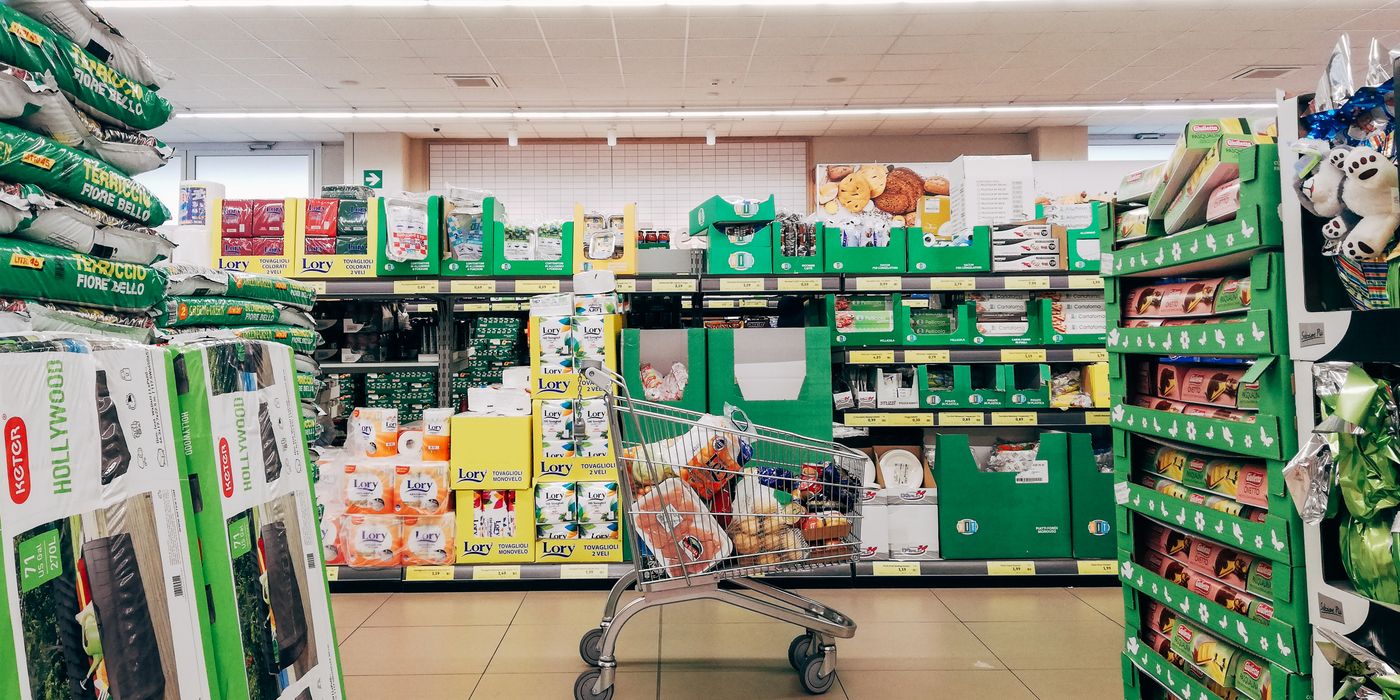
- A single person cooking at home spends roughly 75,000 to 110,000 forint a month on groceries, about 210 to 300 euro at July 2026 rates.
- Discount chains Aldi, Lidl and Penny Market are cheapest; market halls win for fresh produce; 24-hour corner shops cost the most.
- Food inflation cooled to 1.7 percent in June 2026, and a government margin cap keeps many staples artificially low.
- Card payment is accepted almost everywhere, but bring your own bags and expect shorter hours on Sundays.
How much does grocery shopping cost in Budapest?
A single person who cooks at home in Budapest typically spends roughly 75,000 to 110,000 forint a month on groceries, which is about 210 to 300 euro at the July 2026 exchange rate of around 355 to 365 forint to the euro (Numbeo, exchange rate). That covers a full weekly shop of fresh produce, dairy, meat and pantry staples, and it is one of the reasons Budapest keeps appearing on lists of affordable European capitals. In practice a comfortable weekly basket for one person lands somewhere between 18,000 and 26,000 forint, and the same money stretches noticeably further here than in Paris, London or Berlin.
The figure climbs if you lean on imported brands, organic shops or 24-hour convenience stores, and it drops sharply if you stick to discount chains and seasonal produce. Food inflation has also cooled: consumer prices in June 2026 were only 1.7 percent higher than a year earlier, and food prices as a whole rose just 0.2 percent (KSH). For the wider picture of monthly outgoings, see the full Budapest cost of living breakdown.
Which supermarkets are cheapest in Budapest?
The German discount chains Aldi, Lidl and Penny Market are consistently the cheapest places to shop, followed by the big hypermarkets for choice, then premium and convenience formats for speed. Budapest has all of them within easy reach, so most residents mix two or three.
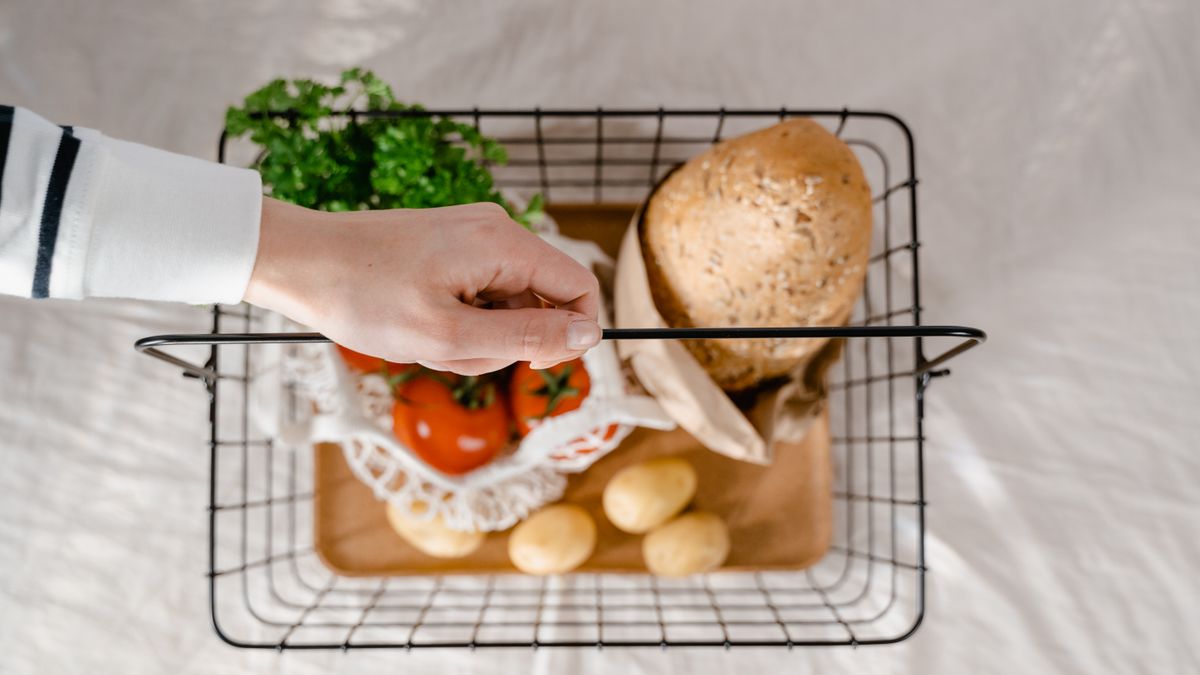
- Discount, cheapest: Aldi, Lidl and Penny Market. Strong own-brand ranges, solid fresh produce and low prices, with a narrower but sufficient selection.
- Hypermarkets, widest choice: Tesco and Interspar carry the broadest range, including international and specialty ingredients, and suit a large weekly shop.
- Local chains, mid-range: Spar, CBA, Prima and Real sit in the middle on price and are handy for a fast neighbourhood top-up.
- Convenience, most expensive: small ABC (corner grocery) shops and 0-24 stores that stay open around the clock charge a clear premium for the hours.
A practical habit is to buy pantry staples and household goods at a discounter, then use a market or a hypermarket for meat, cheese and anything harder to find. Discounters cluster on the outer ring and in the suburbs where floor space is cheaper, while the compact stores downtown carry a smaller range at slightly higher prices, so it is worth knowing which format sits nearest your flat.
What do everyday groceries cost in 2026?
Here are typical shelf prices in Budapest supermarkets as of July 2026, with euro equivalents at roughly 360 forint to the euro (Numbeo food prices, exchange rate):
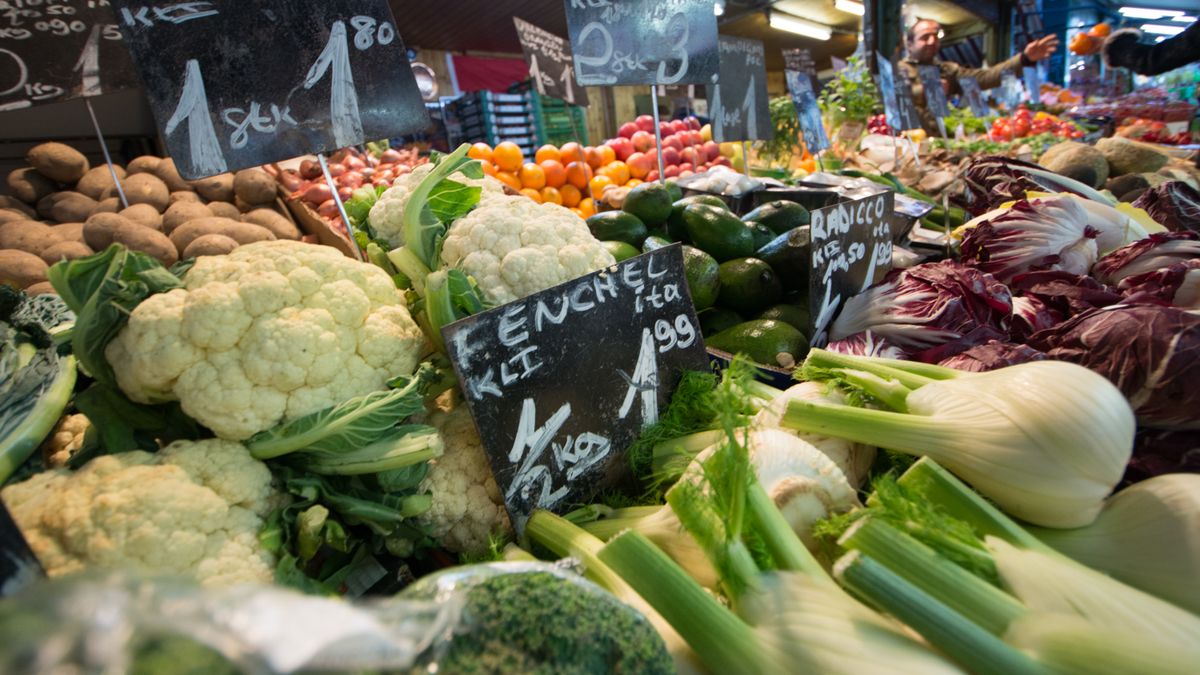
- Milk, 1 litre: about 400 Ft (1.10 euro)
- Fresh bread, 500 g: about 570 Ft (1.60 euro)
- Eggs, 12: about 1,250 Ft (3.50 euro)
- Chicken fillet, 1 kg: about 2,230 Ft (6.20 euro)
- Local cheese, 1 kg: about 3,720 Ft (10.35 euro)
- Apples, 1 kg: about 660 Ft (1.85 euro)
- Potatoes, 1 kg: about 340 Ft (0.95 euro)
- White rice, 1 kg: about 820 Ft (2.30 euro)
- Bananas, 1 kg: about 700 Ft (1.95 euro)
One reason these numbers still look reasonable is that tax is already baked into every shelf price. Hungary applies the European Union's highest standard rate of value added tax at 27 percent, though many basic foods qualify for reduced rates (Tax Foundation). You never add tax at the till, and you can pay by card almost everywhere, as covered in the guide to opening a bank account and using Revolut or Wise.
Why are staple prices capped by the government?
Since March 2025 the Hungarian government has limited retailer margins to 10 percent on a list of everyday food staples, a measure known locally as the arresstop (margin freeze). It has repeatedly extended and widened the scheme, which runs until 28 February 2026 and now covers dozens of frequently bought items including common fruit and vegetables, certain cuts of beef, cheese spreads and baby food (About Hungary).
For shoppers this means the cheapest version of a capped product is often noticeably below its unregulated equivalent, so it pays to check the basic own-brand line. The policy is contested: the European Commission has challenged it as a barrier to the single market, and its future beyond early 2026 is subject to change, so treat any capped price as a moving target rather than a permanent feature.
Where do locals shop beyond the supermarket?
Supermarkets handle the weekly basics, but Budapest rewards anyone who explores the alternatives. The covered market halls, above all the grand nagyvasarcsarnok (great market hall) near Fovam ter, sell fresh vegetables, fruit, meat, cheese and Hungarian specialties such as paprika and sausage, often at better quality than a chain and with real seasonal variety.
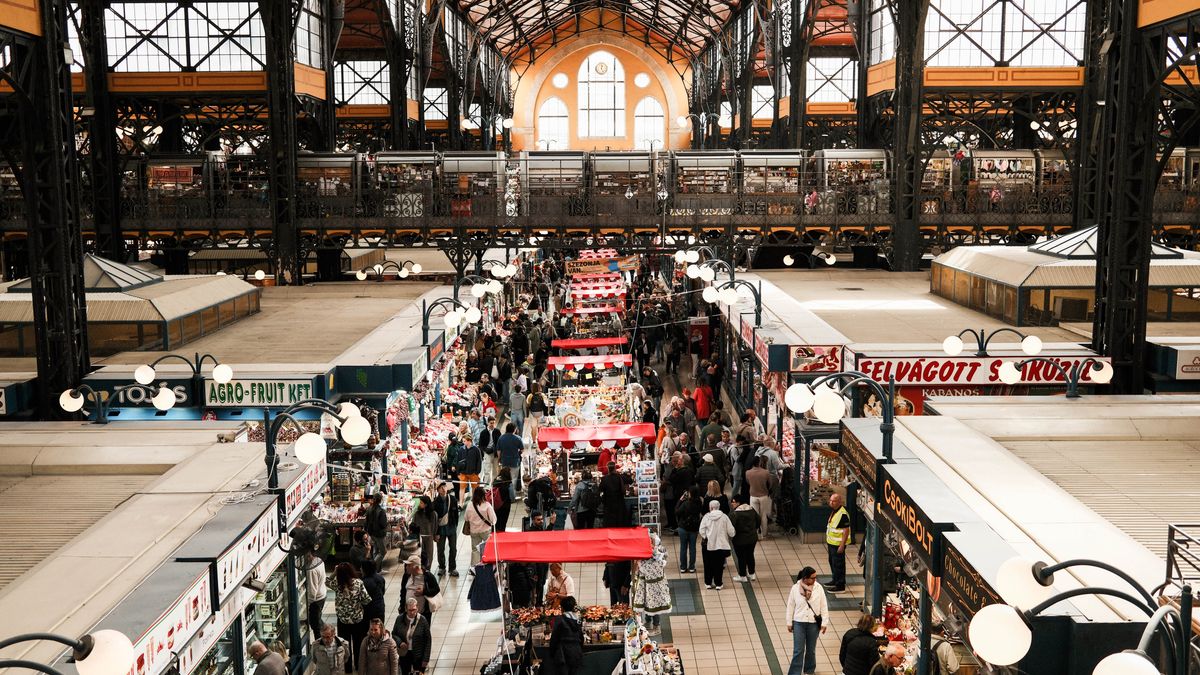
Other useful options round out a weekly routine:
- Online delivery: home delivery from major chains and dedicated grocery services is widely available across the city and saves carrying heavy loads.
- Asian and international shops: small independent stores stock ingredients that supermarkets skip, from rice varieties to sauces and spices.
- Organic and bio shops: a growing number cater to specific diets, at a premium over the discounters.
Prices and labels are usually in Hungarian only, so a little vocabulary goes a long way at the counter. The guide to learning Hungarian as an expat covers the handful of food and quantity words that make market shopping easier.
Is food getting more expensive in Hungary?
Not much, as of 2026. After the sharp spikes of 2022 and 2023, food inflation has largely faded. In the twelve months to June 2026, overall food prices rose only 0.2 percent, and several staples were actually cheaper than a year earlier (KSH).
Among the items that fell over that period were butter (down 12.9 percent), pork (down 10.9 percent), cheese (down 9.1 percent), milk (down 7.7 percent) and pasta products (down 6.7 percent). A few things moved the other way, notably potatoes (up 7.6 percent) and sweets and honey (up 6.0 percent) (KSH). That is a world away from the double-digit food inflation of 2022 and 2023, when weekly bills rose visibly month after month, and it means a household budget set today is unlikely to be upended by sudden price jumps. Because these figures change every month, always check the latest release before treating any single number as current, and note that prices reset each January when new rules and rates take effect.
How can you keep your grocery bill low?
The gap between a careful shopper and a careless one is large in Budapest, easily 30 percent or more on the same basket. A few habits do most of the work:
- Anchor your weekly shop at Aldi, Lidl or Penny Market and only visit a hypermarket for what they do not stock.
- Buy seasonal fruit and vegetables at a market hall, where quality is higher and end-of-day prices soften.
- Choose the basic own-brand line for capped staples, since the margin freeze pushes those prices down the most.
- Install the chains' loyalty apps, which unlock weekly coupons and member-only prices.
- Pay in forint by card and decline any offer to be charged in your home currency, which adds a poor conversion margin.
- Bring reusable bags, as shops charge for plastic ones, and weigh loose produce yourself where the scales sit in the aisle.
Plan around opening hours too. Most supermarkets run from about 07:00 to 21:00 or 22:00 and open on Sundays with shorter hours, so a single well-timed weekly shop beats daily trips to the pricier 24-hour corner stores. For how groceries fit alongside rent, transport and bills, browse the rest of the daily life, money and culture guides.
Frequently asked questions
How much should I budget for groceries per month in Budapest?
A single person who cooks at home usually spends roughly 75,000 to 110,000 forint a month, about 210 to 300 euro at July 2026 rates, according to Numbeo. Couples and families scale up from there, and heavy reliance on imported or organic products pushes the figure higher.
Which is the cheapest supermarket in Budapest?
The discount chains Aldi, Lidl and Penny Market are the cheapest for most everyday items, thanks to strong own-brand ranges. Hypermarkets such as Tesco and Interspar offer the widest choice, while 24-hour corner shops charge the most for the convenience.
Are supermarkets open on Sundays in Budapest?
Yes. Most chains open on Sundays but with shorter hours than on weekdays, and typical weekday hours run from about 07:00 to 21:00 or 22:00. Small 0-24 corner stores stay open around the clock at higher prices, so planning one weekly shop is the cheaper approach.
Can I pay by card at Hungarian supermarkets?
Card payment is accepted almost everywhere, including at small shops and market stalls. Pay in forint rather than accepting your home currency at the till, since dynamic currency conversion adds a costly margin. Euros in cash are generally not accepted in supermarkets.
Is food cheaper in Budapest than in Western Europe?
For most staples, yes. Supermarket prices in Budapest sit well below those of cities such as Paris, London or Berlin, and a government margin cap keeps many essentials low. Imported and premium products narrow the gap, but a home-cooked local diet remains clearly cheaper.
This article is general information for people relocating to Hungary, last reviewed in July 2026. It is not legal, tax or medical advice. Rules change often, so always confirm the current details with the official sources linked above before you act.
← Back to Daily Life, Money & Culture