Retiring in Budapest: A Complete Guide for Seniors

- EU, EEA and Swiss citizens can retire in Budapest with a simple registration certificate and address card; non-EU retirees have had no dedicated pension-based permit since the 2024 reform.
- A retired couple lives comfortably on roughly €1,600 to €2,200 a month including central rent, well below Western European capitals.
- Hungarian tax law generally treats pension income as exempt from the flat 15% personal income tax, though treaty rules and residence status apply.
- EU pensioners reach public healthcare through an S1 form and a TAJ card, and most newcomers add private insurance for English-speaking clinics.
Can you retire in Budapest?
Yes, and for many nationalities it is remarkably affordable, though the exact route depends on your passport. Budapest pairs Western-standard private clinics, a thermal bath culture and a walkable centre with living costs well below London, Vienna or Berlin, which is why it keeps appearing on European retirement shortlists.
Citizens of the European Union, the EEA and Switzerland can settle here with minimal paperwork. Non-EU nationals face a tighter picture since a 2024 immigration overhaul removed the permit that once let self-supporting retirees live on pension income alone. This guide walks through both residence paths, then the real numbers on cost, healthcare, taxes and the districts that suit seniors. It is general information, not personal legal or tax advice.
Which residence route applies to a retiree?
The dividing line is EU versus non-EU. If you hold citizenship of an EU or EEA country or Switzerland, you have freedom of movement: for stays beyond 90 days you register your residence and receive a registration certificate (registration document), followed by an address card. There is no income test tied to a special retirement visa, and the required paperwork sits on the official OIF factsheet.
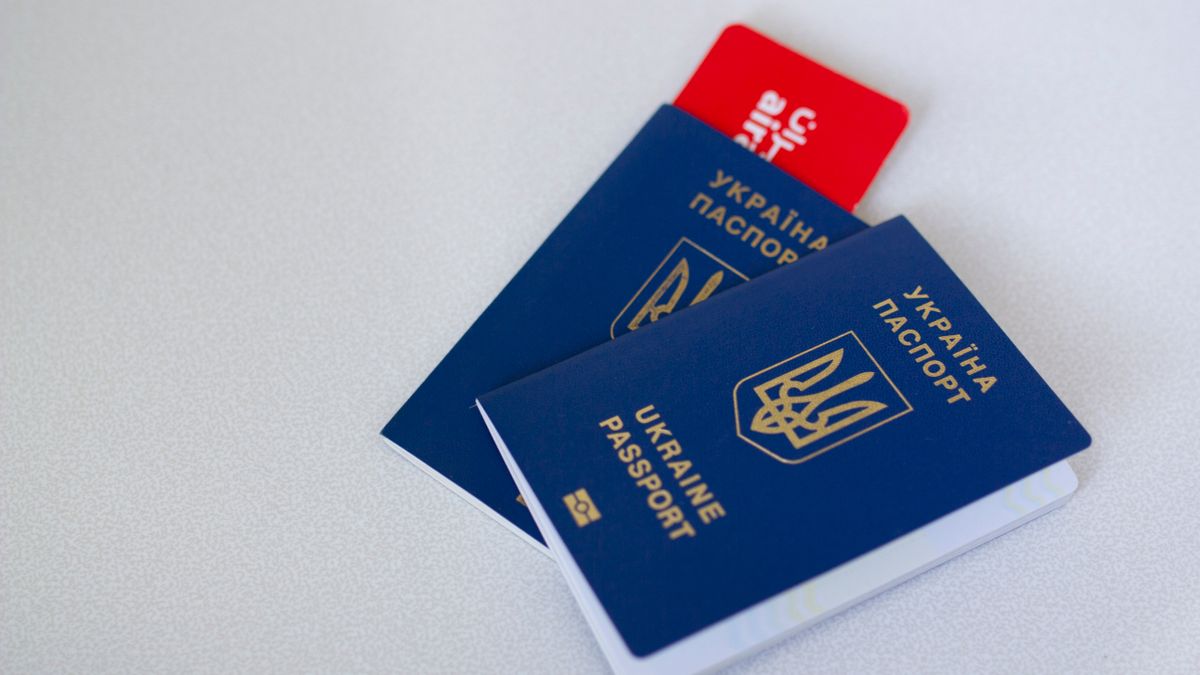
For non-EU retirees the situation changed with the immigration reform that took effect in 2024. The general residence permit for other purposes, which financially independent pensioners had used to live in Hungary on savings or pension income, was withdrawn, so there is no dedicated retirement visa today (source).
The remaining practical options for non-EU seniors are:
- The Guest Investor Program (golden visa): a minimum €250,000 placement in an approved real estate fund, held for the required period, which grants a 10-year renewable permit for you and close family (source). Our guide to the Guest Investor Program breaks down the fund route.
- Family reunification, if an adult child or spouse already holds Hungarian residence.
- Long-term or permanent residence, reachable after several years of prior legal residence.
How much does retiring in Budapest cost?
A retired couple can live comfortably in Budapest on roughly €1,600 to €2,200 a month including rent in a central district, and noticeably less further out or in a smaller town, based on aggregated cost data (Numbeo, Wise). A single retiree typically spends around €640 to €860 a month before rent.
Housing is the main variable. A one-bedroom flat in the city centre runs about €600 to €840 a month, with a separate building maintenance fee on top and utilities that swing with the heating season (source). The local currency is the forint (HUF), and prices, while up in recent years, remain a fraction of Western European capitals.
Beyond the basics, budget for private health cover (covered below), occasional dental work, which Budapest is famous for, and the small pleasures that make the city enjoyable: thermal baths, coffee houses and inexpensive public transport.
Everyday spending stays gentle too. Fresh-market produce, local wine and restaurant meals cost far less than in Western Europe, and a monthly public transport pass is a fraction of the price seen in Paris or London. Many retirees find they can live well here on the income that would only cover the essentials back home, which is the single biggest reason Budapest lands on shortlists.
How does healthcare work for retired expats?
Hungary runs a public system funded by a health insurance number, the TAJ (social security number) card, alongside a fast and affordable private sector. Retirees usually rely on both.
EU, EEA and Swiss pensioners keep their home-country coverage through the S1 route: request an S1 form from the institution that pays your state pension, then register it in Hungary to obtain a TAJ card and public care, with your home country reimbursing the cost (source). UK state pensioners can use the same mechanism after Brexit. The TAJ card itself is managed by NEAK, the national health insurance fund.
Most newcomers still add private health insurance, roughly €100 to €250 a month depending on age and cover, for English-speaking clinics and short waiting times (source). Public care is thorough but slower and mostly in Hungarian, so many retirees keep the public system as a safety net and use private clinics day to day.
Two practical notes for seniors. Dental treatment is a genuine strong point, drawing patients from across Europe for quality at modest prices, and pharmacies (the neighbourhood gyogyszertar, meaning pharmacy) are well stocked, though it pays to fill prescriptions away from the busiest tourist streets. If you take regular medication, bring a supply and a doctor's note for the first weeks while you register locally.
Are your pensions taxed in Hungary?
In general, no: Hungarian tax law treats pension income as exempt from the country's flat 15% personal income tax, which is one reason the destination appeals to retirees (source). Whether that exemption reaches your specific pension depends on tax treaties and on where you are tax resident.
You are generally a Hungarian tax resident if you spend 183 days or more here in a calendar year, or if your permanent home or centre of vital interests is in Hungary (NAV). Residents are taxed on worldwide income, non-residents only on Hungarian-source income, so your status shapes everything.
Two cautions. First, treaty rules can assign taxing rights on certain pensions (notably government or civil-service pensions) to the paying country, so check the treaty between Hungary and your home state. Second, Americans lost the US-Hungary tax treaty from 2024, which raises the risk of double taxation (IRS). Rules change, so treat this as general information and confirm with a cross-border tax adviser. If you plan to move your pension abroad, start with our note on transferring your retirement income.
Where should retirees live in Budapest?
Retirees tend to prioritise calm, greenery and easy transport over nightlife, which points to a handful of districts. On the Buda side, districts II and XII climb into leafy hills with quiet streets and cleaner air, popular with those wanting a slower pace. On the Pest side, districts V and VI place you in the elegant historic centre within walking distance of the river and cultural life.
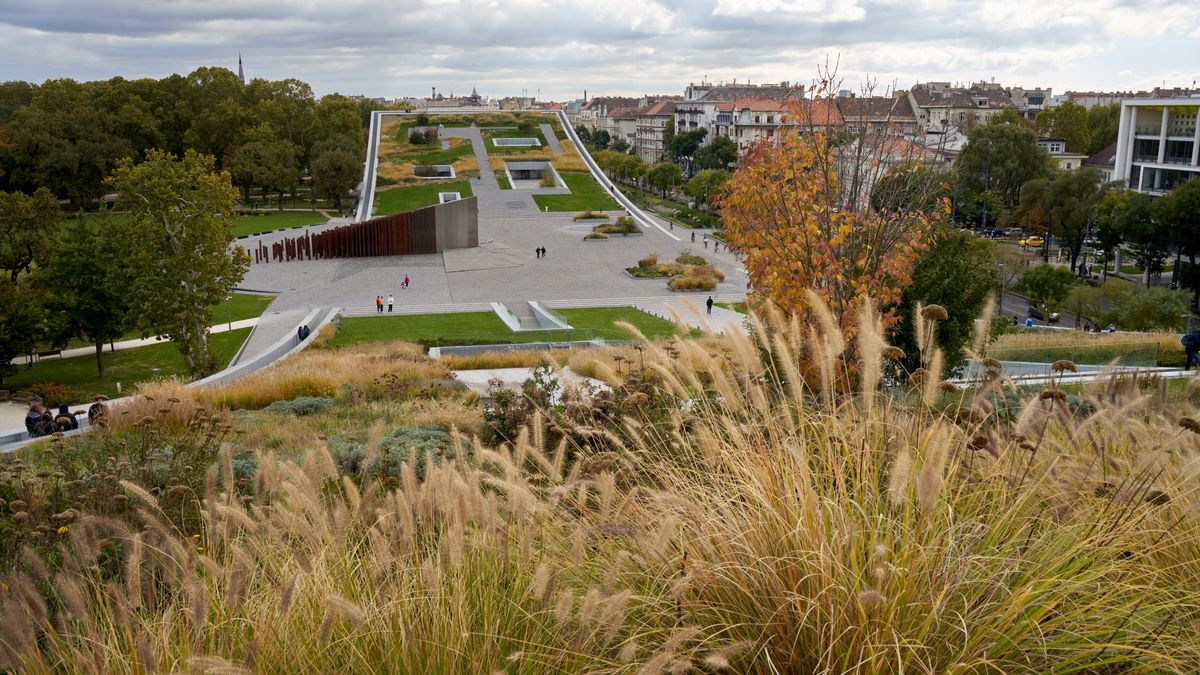
For a residential, family-friendly feel with parks and the Danube close by, Ujlipotvaros (a neighbourhood in district XIII) is a long-standing favourite. Retirees who want more space and nature sometimes look just outside the city or toward Lake Balaton for the summers. Our guide to the best areas for retirees compares them in depth.
Wherever you land, Budapest is compact and well served by the BKK transport network, so you rarely need a car to reach a clinic, market or bath.
Is Budapest safe and comfortable for seniors?
By the numbers, yes. Budapest carries a low crime index of about 33.9 on Numbeo, below Paris and London, and Hungary sits in the top safety tier of international travel advisories (source). Violent crime is uncommon, and the main day-to-day risk is ordinary pickpocketing in tourist-heavy spots.
Quality of life is the real draw. The city sits on a wealth of natural hot springs, and its historic thermal baths are a social ritual as much as a therapy, gentle on ageing joints. Add a serious coffee-house and concert culture, walkable riverbanks and affordable dining, and daily life stays rich without being costly.
Language is rarely a barrier in the capital: English is widely spoken in private healthcare, restaurants and central districts, though learning a few Hungarian phrases smooths bureaucracy and everyday warmth.
What are the first steps to settle in?
Once your residence path is clear, a short admin sequence unlocks normal life. The pivotal document is the address card, the lakcimkartya (address card), which banks, the tax office and healthcare all ask for. It costs only around HUF 3,700 to issue (source).
A practical order of operations:
- Secure your residence status (registration certificate for EU citizens, or your permit for non-EU).
- Register your address and collect the lakcimkartya at a government one-stop office.
- Sort healthcare: file your S1 with NEAK for a TAJ card, then add private insurance.
- Open a bank account and set up a multi-currency account for pension transfers.
- If your country keeps a consular register, enrol with your embassy.
For the full picture across residence, cost, healthcare and investment options, browse the Investing & Retiring hub.
Frequently asked questions
Can a non-EU citizen retire in Hungary on pension income alone?
Not through a dedicated retirement visa. The 2024 immigration reform removed the residence permit that self-supporting pensioners once used, so today non-EU retirees generally rely on the Guest Investor Program (a €250,000 fund investment for a 10-year permit), family reunification, or eventual permanent residence (source).
Is pension income taxed in Hungary?
Hungarian tax law generally treats pension income as exempt from the flat 15% personal income tax (source). Whether the exemption applies to your pension depends on your tax residence and on the treaty between Hungary and your home country, and the rules can change, so confirm with a tax adviser.
How do EU pensioners get public healthcare in Budapest?
Request an S1 form from the body that pays your state pension, then register it in Hungary to receive a TAJ card and public coverage, with your home country footing the bill (source). UK state pensioners use the same route after Brexit.
How much does a retired couple need each month in Budapest?
Roughly €1,600 to €2,200 a month including rent in a central district, and less further out, based on aggregated cost data (Numbeo, Wise). Private health insurance adds around €100 to €250 per person.
Do you need to speak Hungarian to retire in Budapest?
Not to get by. English is widely used in the capital's private clinics, restaurants and central districts, and most retirees manage daily life comfortably. Learning basic Hungarian still helps with paperwork and builds goodwill, since public offices and public healthcare largely operate in Hungarian.
This article is general information for people relocating to Hungary, last reviewed in July 2026. It is not legal, tax or medical advice. Rules change often, so always confirm the current details with the official sources linked above before you act.
← Back to Investing & Retiring