Slow Living: Best Areas for Retirees Around Budapest
- The top areas are the green Buda hills (Districts II and XII), flat and walkable central Pest (Districts V and XIII), riverside Szentendre, and the Lake Balaton region.
- Budapest is a low-crime capital, with a Numbeo crime index of about 33.55 in 2026, below London and Paris.
- Everyday costs sit well below Western Europe, with central one-bedroom rents around €600 to €840 a month.
- Match the location to your healthcare needs: Budapest and the Buda hills have the widest English-speaking private care.
Where are the best areas to retire around Budapest?
The most popular areas to retire around Budapest are the green Buda hills (Districts II and XII), the riverside artist town of Szentendre, and the Lake Balaton region an hour or two to the west. Each offers the same core promise: a slower pace, mild seasons and a cost of living well below Western Europe, next to a capital with international-standard healthcare.
The right choice comes down to a simple trade-off between city walkability, hillside quiet and lakeside calm. This guide sorts the options by lifestyle so you can match a district or town to how you actually want to spend your days. Costs stay low and the capital's specialists are never far, which is why so many Europeans choose this corner of Central Europe for a comfortable and unhurried retirement.
- Buda hills (Districts II and XII): green, quiet, hillside villas, best for active retirees who still want the city close.
- Central Pest (Districts V and XIII): flat, walkable, cafe and tram life beside the Danube.
- Szentendre and the Danube Bend: a slower riverside town about 40 minutes out.
- Lake Balaton (Balatonfured, Heviz, Keszthely): lakeside slow living as a full extension.
For the wider picture on budgets, visas and daily life, start with our complete guide to retiring in Budapest.
Why do retirees favor the Buda hills?
The Buda hills in Districts II and XII are the classic choice for retirees who want quiet and greenery without leaving the city. District II covers Rozsadomb (Rose Hill) and Pasaret, a leafy villa belt of low-rise homes, gardens and embassies that still sits ten to fifteen minutes from the center. District XII, the Hegyvidek (hill district), is the greenest of all, wrapped in woodland, walking trails and the nostalgic cog railway.
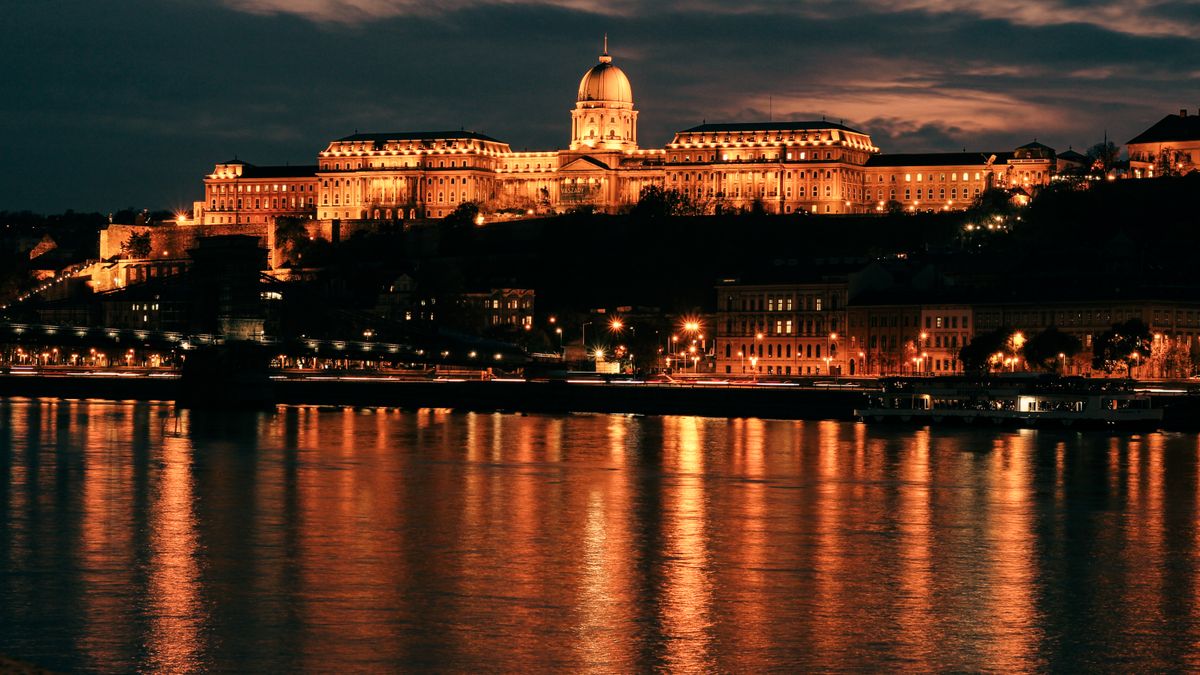
These areas suit active retirees who like fresh air, gentle hiking and calm streets but still want to reach a concert hall or a specialist clinic quickly. The trade-offs are real: the terrain is steep, a car is more useful than in flat Pest, and villa prices are among the highest in the country. Buyers who want a house with a garden and a panoramic view usually look here first. Bus lines and the historic tram network connect the slopes to the center, though there is no metro at the top, so many residents keep a car for weekly errands and hospital visits.
Which central districts suit retirees who want to walk everywhere?
If you would rather step out to a cafe, a tram and a thermal bath than drive up a hill, flat central Pest is the better fit. District V (Belvaros, the inner city) puts you beside the Danube, the parliament and daily markets, while District XIII (Ujlipotvaros) is a calm, tree-lined grid long favored by older residents for its flat streets, riverside promenade and dense tram network. World-famous thermal baths such as Szechenyi and Gellert sit a short tram ride away, a daily luxury that many retirees rank near the top of the list.
Walkability matters more with age, and these neighborhoods let you reach shops, doctors and public transport on foot. Rents in the central districts run higher than the outskirts: a one-bedroom apartment in the center costs roughly €600 to €840 a month according to Numbeo and Wise. Buda-side District I around the Castle also offers a quiet, historic setting for those who value charm over convenience.
Is Szentendre a good base for slow living near Budapest?
Szentendre is a strong middle ground for retirees who want a small-town feel without cutting the cord to the capital. This Danube-side artist town of cobbled lanes, galleries and Mediterranean-colored houses sits about 40 minutes from central Budapest on the HEV (suburban railway), so a day at a Budapest hospital or opera house stays easy.
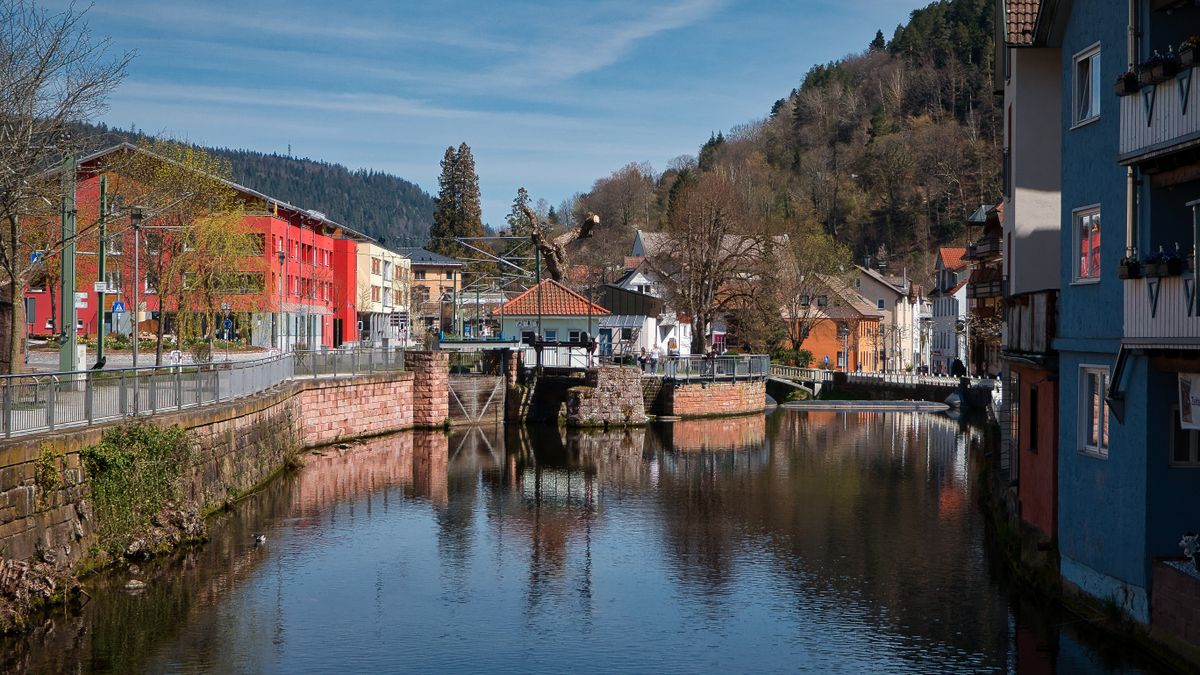
The pace is slower and the setting prettier than the city, and the cost of living is generally lower than central Budapest while staying above rural Hungary. Retirees who like a walkable historic core, a riverside promenade and a real community, but who do not want to be an hour from specialist care, often settle here or in the nearby Danube Bend villages such as Leanyfalu and Visegrad. A weekly market, a handful of clinics and a small but steady foreign community make everyday life manageable without a long commute into the city.
Should retirees consider Lake Balaton as an extension?
Lake Balaton, the largest lake in Central Europe, is the natural extension of a Budapest retirement for people who want water, wine country and a genuine village rhythm. The northern-shore town of Balatonfured and the thermal spa town of Heviz (built around a famous warm-water therapeutic lake) are long-standing favorites with older European buyers, while Keszthely and Balatonalmadi offer more affordable alternatives. Heviz sits on Europe's largest biologically active thermal lake, a genuine draw for older residents who value year-round hydrotherapy and a settled international crowd.
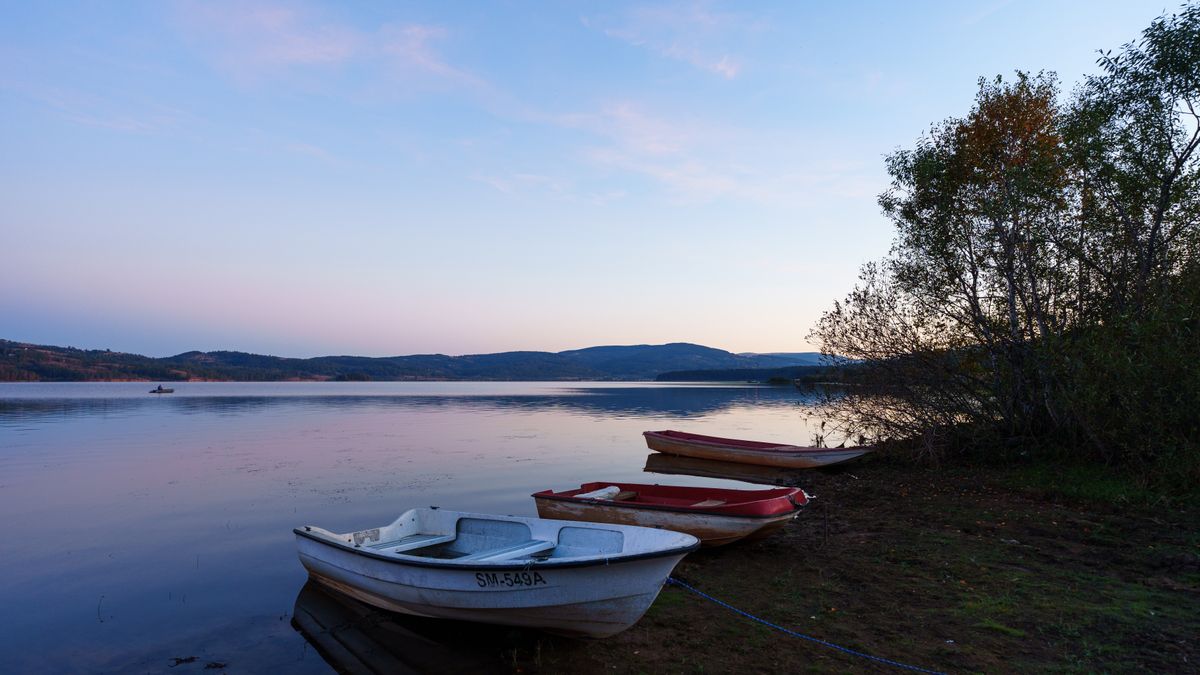
Two cautions matter. First, prices in the most sought-after spots have climbed sharply: top locations such as Tihany and Balatonfured can now rival or exceed Budapest's most expensive districts, as Hungary Today reported. Second, the lake is roughly ninety minutes to two hours from Budapest, and small towns have fewer English-speaking specialists, so healthcare access should shape the exact town you choose.
What do these areas cost, and are they safe?
Cost and safety are the two questions most retirees ask first, and Hungary answers both well. Everyday spending in Budapest sits noticeably below Western European capitals, which is a large part of the appeal, per Numbeo cost-of-living data. The forint traded at roughly HUF 390 to HUF 400 to the euro in 2026, so a Western pension stretches further; you can track the live rate through a service such as Wise. Dining out, fresh produce and household utilities all cost a fraction of Western European prices, which helps a fixed pension cover more each month.
On safety, Budapest posts a Numbeo crime index of about 33.55 as of mid-2026, placing it below London and Paris and firmly in the low range for a European capital, according to Numbeo. The main nuisance is petty theft in busy tourist zones rather than any threat to daily life, which reassures older newcomers who tend to choose the quieter residential districts anyway.
How does healthcare access shape where you settle?
For retirees, proximity to good healthcare often decides the address. Budapest and the Buda hills have the widest choice of English and French-speaking private clinics and modern hospitals, while smaller towns and lakeside villages mean longer trips for specialist care. Public treatment runs through the TAJ health number managed by NEAK, and most newcomers add private cover for speed and language during the first years. Ambulances and the pan-European 112 emergency line reach the whole country, but response times and specialist depth are strongest in and around the capital.

EU pensioners can often access the public system through European coordination arrangements, while non-EU retirees usually rely on private insurance until they qualify locally. Because a transferred pension is the main income for most retirees, mapping your monthly healthcare budget early is wise; our guide to transferring your retirement income explains how the money side works.
What residency and practical steps come first?
The legal path depends on your passport. EU and EEA citizens simply register their stay and obtain a residence document, then the all-important lakcimkartya (address card), which unlocks banking, tax and healthcare and costs under HUF 4,000, per Helpers Hungary. Non-EU retirees need a residence permit and should confirm current requirements with the immigration authority before committing to a town.
Retirees with capital sometimes use the Guest Investor Program (Hungary's golden visa), which grants a ten-year permit for a qualifying real-estate-fund investment from €250,000; note that direct property purchase stopped qualifying in January 2025, per Global Citizen Solutions. See our overview of the Guest Investor golden visa, and for the full retirement roadmap return to the Investing and Retiring hub.
Frequently asked questions
Where is the best place to retire near Budapest?
It depends on the lifestyle you want. The Buda hills in Districts II and XII give greenery and quiet with the city ten to fifteen minutes away, central Pest districts like V and XIII offer flat and walkable streets with tram access, Szentendre provides a riverside small-town feel about 40 minutes out, and Lake Balaton suits those wanting full lakeside slow living an hour or two to the west.
Is Budapest a safe city for retirees?
Yes. Budapest records a Numbeo crime index of about 33.55 as of mid-2026, below London and Paris and in the low range for a European capital, according to Numbeo. The main issue is petty theft in busy tourist areas rather than any risk in the quiet residential districts most retirees choose.
Can non-EU retirees get residency in Hungary?
Yes, through a residence permit, and requirements should be confirmed with the National Directorate-General for Aliens Policing. Retirees with capital can also use the Guest Investor Program, a ten-year golden visa for a qualifying real-estate-fund investment from €250,000, though direct property purchase stopped qualifying in January 2025, per Global Citizen Solutions.
Is Lake Balaton cheaper than Budapest?
It varies by town. Quieter spots like Keszthely or Balatonalmadi are generally more affordable, but top locations such as Tihany and Balatonfured can now match or exceed prices in Budapest's most expensive districts, as Hungary Today reported. Peak summer also pushes lakeside costs up.
This article is general information for people relocating to Hungary, last reviewed in July 2026. It is not legal, tax or medical advice. Rules change often, so always confirm the current details with the official sources linked above before you act.
← Back to Investing & Retiring