Mental Health and English-Speaking Therapists in Budapest

- Budapest has a well-established private network of English-speaking therapists, and most expats use private care because the public system runs mainly in Hungarian.
- A private English-language session typically costs around 30,000 HUF for 45 minutes, within a wider Hungarian range of 15,000 HUF to 30,000 HUF.
- Public mental health care is covered with a TAJ number and a GP referral, but language and waiting lists push most newcomers toward private or online therapy.
- In a crisis, call 112 for emergencies or the free 116 123 emotional support line, which operates 24 hours a day.
Where do expats find English-speaking therapy in Budapest?
Budapest has a small but well-established network of English-speaking therapists, and most international residents reach them through private practice rather than the public system. Private care is faster, delivered in English (often in several other languages too), and easy to book directly, which is why it is the practical default for newcomers.
The public health system does cover mental health care, but it operates almost entirely in Hungarian and works through referrals, so language and waiting lists make it a poor first stop for many expats. A private pszichológus (psychologist) or psychotherapist who works regularly with foreigners is usually the quickest route to support that fits your situation. For how the public and private tracks compare more broadly, see our overview of healthcare in Hungary.
Why relocation raises mental health needs
Moving abroad is consistently one of life's bigger stressors, and Budapest's fast-growing community of remote workers, students and young professionals means demand for English-language support has climbed. Common reasons people seek help include relocation stress, isolation after a move, burnout among digital nomads, relationship strain, and the ordinary anxiety or low mood that does not pause because you changed countries.
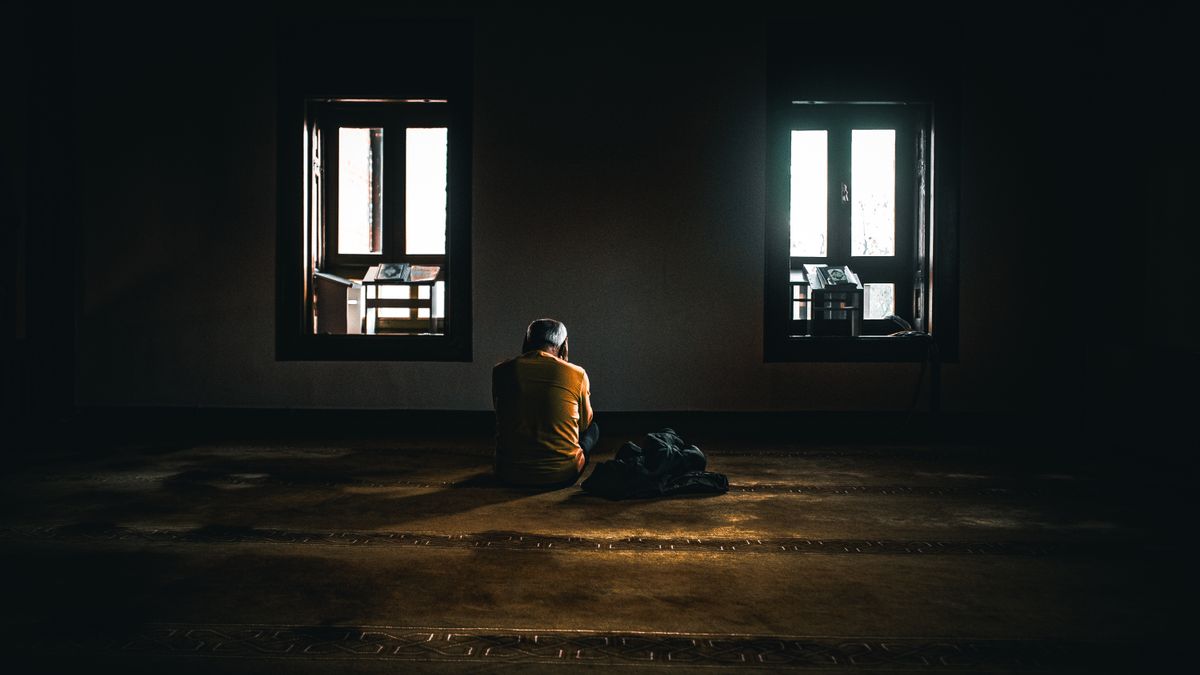
Therapists who have lived abroad themselves, or who specialise in international clients, tend to understand these pressures well. Many English-speaking practitioners in Budapest have studied or worked overseas, and some are foreigners living in Hungary, which can make the cultural fit easier from the very first session. Seeking help early, before a rough patch turns into a longer struggle, is usually easier and cheaper than waiting, and a short course of sessions is often enough to steady things after a move.
Public or private: which route works for expats?
Answer first: if you hold a TAJ (public health insurance) number, mental health care is covered, but you reach it through your háziorvos (family doctor), who refers you onward to a psychiatrist or outpatient service under the national fund NEAK. In practice this route is delivered in Hungarian, psychotherapy places are limited, and waiting lists can be long, so it suits people who already speak the language or who need psychiatric care and medication.
Private care is the more common choice for internationals. You book directly, choose an English-speaking professional, and usually get an appointment within days. The trade-off is cost, since private sessions are paid out of pocket unless a private insurance plan reimburses them. If you are weighing coverage, our guide to private health insurance for expats explains what policies typically include. Getting your TAJ card is still worthwhile for the rest of the health system even if you pay privately for therapy.
How much does an English-speaking therapist cost?
Expect to pay roughly 30,000 HUF for a 45-minute individual session with an English-speaking psychologist or psychotherapist in Budapest, based on published private-practice rates (source). Across Hungary as a whole, individual counselling commonly runs 15,000 HUF to 30,000 HUF per session, with lower prices outside the capital and for online-only work (source).

Couples and family sessions run longer and cost more, often around 60,000 HUF for 90 minutes (source). Prices rise with a therapist's experience and with specialised methods such as EMDR. Many practices ask for payment by bank transfer or a local mobile app rather than card, and most charge for late cancellations, so confirm the payment method and the cancellation window when you book.
How do you find and vet a good therapist?
Start with directories built for international clients. Platforms such as It's Complicated, Psychology Today and TherapyRoute let you filter Budapest therapists by language, specialty and session format, and expat community groups are a reliable source of personal recommendations. Several private clinics and solo practitioners also market their English-language services directly online.
Before you commit, check a few basics:
- Confirm the therapist's training and that they are a qualified psychologist, psychotherapist or psychiatrist rather than an unregulated coach.
- Ask about their experience with expats and with your specific concern.
- Clarify the language level: fluent conversational English matters for therapy, not just basic English.
- Treat the first session as a trial, because fit with the person usually matters more than the label of the method.
For medical questions that sit alongside mental health, our directory-style guide to English-speaking doctors and clinics is a useful companion.
Can you do therapy online or in your own language?
Yes. Online sessions are widely available and now standard across Hungarian private practice, so you can work with a Budapest-based therapist by video or keep seeing a therapist in your home country. Many expats prefer their native language for emotional work, and remote sessions make that possible even when no local practitioner speaks it.

Beyond English, Budapest practices advertise counselling in French, German, Spanish, Arabic and other languages, reflecting the city's international population. If cross-border therapy matters to you, check that your therapist is comfortable working with clients in another country and ask how they would handle a crisis from a distance, since remote care has real limits in an emergency.
Where do you turn in a mental health crisis?
In any emergency or life-threatening situation, call 112, the free single European emergency number that works across Hungary (source). For emotional distress and suicidal thoughts, the Lelki Elsősegély Telefonszolgálat (emotional first-aid telephone service) runs a free, anonymous line on 116 123 around the clock, and children and teenagers can reach the Kék Vonal (Blue Line) child helpline on 116 111 (source).

For non-urgent health questions, Hungary's official public health line Egészségvonal can point you toward services. Volunteer crisis lines are not always answered in English, so for English-language support in a non-emergency a private therapist or an international directory is often the surer path. If you are in immediate danger, contact 112 first.
Frequently asked questions
Do English-speaking therapists in Budapest cost more than Hungarian-language ones?
They can, but not dramatically. English-language private sessions in Budapest sit around 30,000 HUF for 45 minutes, near the top of the national 15,000 HUF to 30,000 HUF range, because they cluster in the capital and serve international clients (source). Online sessions and providers outside Budapest are usually cheaper.
Is therapy covered by the Hungarian public health system?
Mental health care is covered if you have a TAJ number, but you access it through a family-doctor referral and it is delivered mainly in Hungarian, with limited psychotherapy availability and possible waiting lists (source). Psychiatric care and medication are the strongest part of the public offer, while talking therapy in English is generally a private matter.
How do I find an English-speaking therapist in Budapest?
Use international directories such as It's Complicated, Psychology Today or TherapyRoute, ask in expat community groups, or contact private clinics that advertise English-language counselling. Confirm the professional's qualifications and their experience with expat clients before you book a first session.
What number do I call in a mental health emergency in Hungary?
Call 112 for any emergency (source). For emotional support and suicidal thoughts, the free 116 123 line operates 24 hours a day, and the 116 111 child helpline supports minors (source). These volunteer lines are not guaranteed in English, so state your situation clearly.
Can I keep seeing my therapist from my home country online?
Yes. Online therapy is common in Hungary, so you can continue with a therapist abroad or choose a Budapest-based one who works remotely. Confirm they are comfortable treating clients across borders and understand the limits of remote care during a crisis.
This article is general information for people relocating to Hungary, last reviewed in July 2026. It is not legal, tax or medical advice. Rules change often, so always confirm the current details with the official sources linked above before you act.
← Back to Healthcare