Dental Tourism in Budapest: Why the World Comes to Hungary for Dentistry
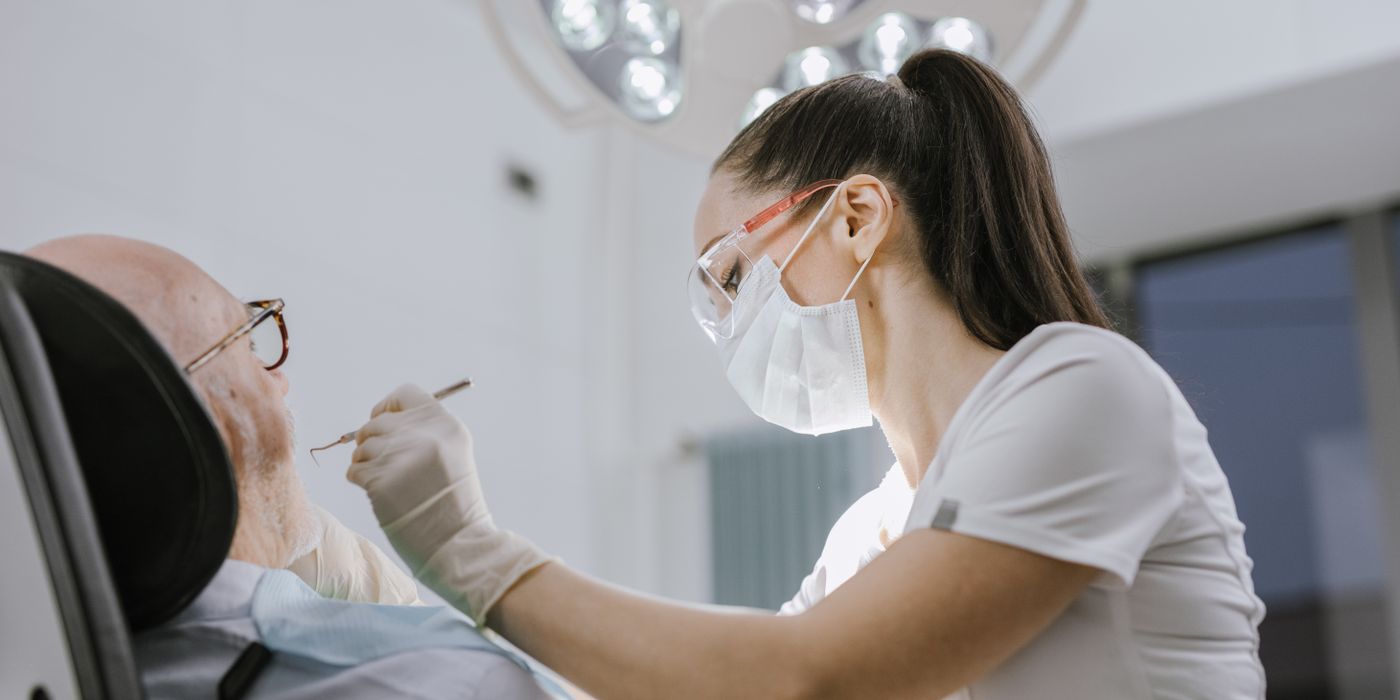
- Budapest is Europe's dental tourism capital: the same implants, crowns and full-arch work typically cost about 40% to 70% less than in the UK, Germany or the US, done by EU-trained dentists using EU-standard materials.
- A single implant with crown is commonly quoted from around $600 to $1,100 in Budapest, against $2,500 to $5,000 in the US, so one trip can pay for itself even with flights and a hotel.
- Reputable clinics give written guarantees (often lifetime on the implant and about five years on crowns) plus an implant passport, and EU residents may reclaim part of the cost under the cross-border healthcare rules.
- Most implant, crown and cosmetic work is private-pay, so budget for two visits and confirm the warranty and aftercare in writing before you book.
Is dental tourism in Budapest actually worth it?
For most implant, crown and full-mouth cases, yes. Budapest has become the dental tourism capital of Europe because the identical treatment costs far less than at home while the clinical standard stays on par with Western Europe. Reported savings run from roughly 40% to 70% against UK, German and US prices, enough to cover flights and a short stay and still leave you ahead on a larger case (source).
The appeal is strongest for high-value work: single implants, bridges, veneers and full-arch restorations, where one tooth can differ by well over a thousand dollars. For a check-up or a single filling the maths rarely justifies a special trip. This guide covers what you save, why prices are lower, how quality and guarantees compare, and how EU reimbursement can apply. If you want the wider system first, see how public and private healthcare works in Hungary.
Why is dental care in Hungary so cheap?
Lower prices come from a lower cost base, not lower standards. Wages, rent and running costs sit well below Western levels: the average gross wage in Hungary was around HUF 764,100 a month as of mid-2026 (source), so a clinic's salaries, lab work and premises cost a fraction of London or New York even when the implant brands and materials are the same.
The second factor is density and competition. Hungary has one of the highest numbers of dentists per head in the world, and the border town of Mosonmagyaróvár (a small city near Austria) is often called the most dentist-dense place on earth, with roughly 160 dental practices for a population of about 32,000 (source). That concentration, built over decades of cross-border patients, pushes prices down and quality up. A Hungarian fogorvos (dentist) trains to the same EU-recognised standard as a colleague in Vienna or Munich.
Dental tourism is also a recognised part of the local economy rather than a fringe activity, which is why so many clinics run English-language coordination, airport pickups and partner hotels as standard (source). The result is a mature market where the price gap reflects overheads, not corner-cutting on clinical care.
How much can you actually save?
Exact quotes depend on the clinic, the case and the materials, but the pattern is consistent. Typical 2026 ranges reported for Budapest against US pricing look like this (source):

- Single dental implant with crown: about $600 to $1,100 in Budapest, versus $2,500 to $5,000 in the US.
- Zirconia crown: about $300 to $500, versus $1,200 to $1,800.
- Porcelain veneer: about $300 to $500, versus $1,500 to $2,500.
- All-on-4 full arch: about $6,000 to $10,000 per arch, versus $20,000 to $30,000.
Against the UK the gap is similar: a single implant is frequently quoted near £800 in Hungary compared with roughly £3,000 in Britain, and full-arch work reported from about £4,000 where the UK equivalent runs into five figures (source). Add flights and two or three nights and a mid-size case still lands well below the home price. Always ask for an itemised written quote before you travel, because the headline number rarely includes X-rays, extractions or bone grafts.
To compare fairly, price the whole trip and not just the treatment line. Add return flights, a few nights of central accommodation and local transfers, then set that total against the home quote. For a single crown the trip cost often cancels the saving, while for multiple implants or a full arch the difference stays large even after travel. That is why full-mouth restorations, not one-off fillings, drive most of the demand.
Is the quality as good, and are the dentists qualified?
Quality is the main worry and, at accredited clinics, it holds up. Hungarian dentists qualify through five to six year university programmes recognised across the EU, and the leading Budapest clinics use the same premium implant systems (such as Straumann and Nobel Biocare) and CAD/CAM labs found in Western Europe. Lower prices reflect the local cost base rather than cheaper materials.
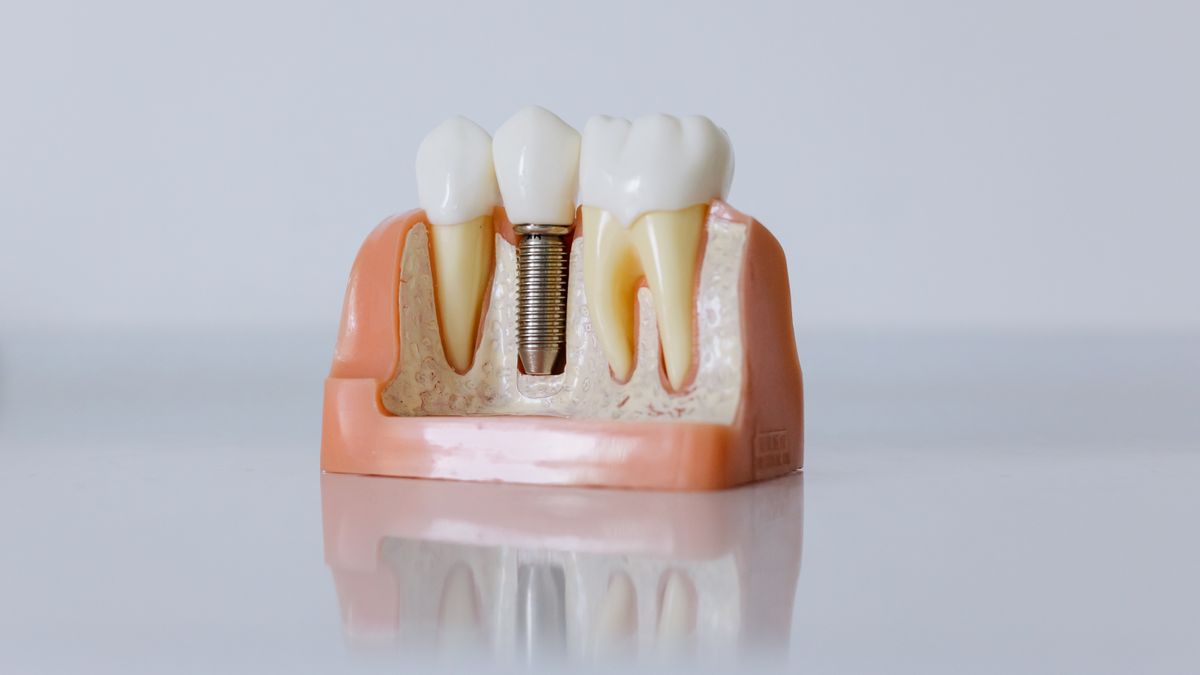
Since the EU Medical Device Regulation, every implant comes with an implant passport recording the exact product placed, so any dentist back home can identify and service it (source). Look for clinics that publish before-and-after cases, hold recognised accreditation and staff English-speaking coordinators. It is also worth asking who performs the work: complex implant and full-arch cases should be handled by an experienced oral surgeon or prosthodontist, and a good clinic will name the treating specialist and share their credentials on request. For routine visits once you are settled here, our guide to English and French-speaking clinics and doctors is a useful starting point.
What guarantees and aftercare should you expect?
Reputable Budapest clinics back their work in writing, often more generously than dentists at home. Typical terms are a lifetime guarantee on the implant fixture and around five years on crowns and bridges, set out on a signed guarantee card that lists what is covered and the conditions (source). Some clinics even contribute to flights and a hotel if remedial work is needed under warranty.
The condition attached to almost every guarantee is simple: keep up annual check-ups and cleaning, and keep the records. Those visits can be done by a local dentist. Plan aftercare before you fly, hold on to all documentation and the implant passport, and know where you will go locally if something needs attention. Budget for any prescribed medication too: our guide to pharmacies and buying medicine explains how that works day to day.
Can EU residents claim any of the cost back?
Sometimes, and only in part. Under the EU cross-border healthcare rules (Directive 2011/24/EU) an EU resident can be treated in another member state and reclaim the cost up to what the same treatment would have been reimbursed at home (source). Non-hospital dentistry usually does not need prior authorisation, but you should confirm with your country's National Contact Point first (source).
The catch is that the refund is capped at your home tariff, and most implant, crown and cosmetic work is only partly covered (or not at all) by public systems, so the amount is often small next to the saving you already made by coming to Budapest. Many patients rely on private cover instead: see our overview of private health insurance for expats.
How do you plan a dental trip to Budapest?
Most larger cases need two visits. On the first, the clinic handles the consultation, imaging, any extractions and the implant placement; you then return after healing (typically three to six months for implants) to fit the permanent crowns or bridge. Simpler work such as veneers or a set of crowns can often be finished in a single stay of a few days.

The practical steps are straightforward: send recent X-rays for a remote quote, get the full plan and price in writing, book flights around the healing window, and choose central accommodation close to the clinic. Budapest is a short flight from most of Europe and easy to pair with a few relaxed days in the city, which is part of why the dental tourism model works so smoothly here.
What about dental care if you live in Budapest?
For residents the calculation changes. Everyday dentistry is inexpensive by Western standards, so many expats simply use a good private clinic for check-ups, cleaning and fillings with no special planning. Public dental care does exist through the state health insurance fund (NEAK), yet for adults it mainly covers urgent and basic treatment, so implants, crowns and cosmetic work are private-pay almost everywhere.
If you split your time between countries, the two-visit logic can work in reverse: schedule complex work for when you are in Budapest and pay local prices. The public route is limited for adult dental work, which is why most residents go private for anything beyond a routine problem. Choosing a clinic you can return to easily matters more here than the last few percent of price.
One practical habit helps whichever way you travel: keep a single folder with your X-rays, treatment plans, guarantee cards and implant passport. It makes second opinions faster, keeps warranties valid, and means any dentist can pick up your history without starting from scratch.
Frequently asked questions
Is dental work in Budapest safe?
At accredited clinics, yes. Hungarian dentists train to an EU-recognised standard, the leading Budapest clinics use the same premium implant brands and materials as Western Europe, and every implant now comes with an implant passport. Choose a clinic that publishes real before-and-after cases, holds recognised accreditation and has English-speaking staff.
How many trips does a dental implant take?
Usually two. The first visit covers the consultation, imaging and implant placement; after roughly three to six months of healing you return to fit the permanent crown or bridge. Simpler restorations such as veneers or a set of crowns can often be completed in one stay of a few days.
Do dentists in Budapest speak English?
Yes. Clinics that serve international patients work in English and frequently German, usually with a treatment coordinator who manages your plan and quote, and many also speak French. Confirm the language of your treating dentist when you book rather than assuming reception cover is enough.
Can my home insurance or public system pay for it?
Sometimes, and only in part. EU residents can reclaim treatment in another member state up to their home-country tariff under Directive 2011/24/EU, and non-hospital dentistry usually needs no prior authorisation, though you should check with your National Contact Point (source). Because implant and cosmetic work is largely private, the refund is often modest.
Is Budapest or Turkey better for dental work?
Both are major dental tourism destinations and Turkey often prices a little lower, but Budapest's draw is proximity and consistency: it is a short flight from most of Europe, works to EU clinical and device standards, and makes warranty follow-up simpler for European patients. The best choice depends on the treatment, your travel distance and how you weigh price against ease of aftercare.
This article is general information for people relocating to Hungary, last reviewed in July 2026. It is not legal, tax or medical advice. Rules change often, so always confirm the current details with the official sources linked above before you act.
← Back to Healthcare