Healthcare in Hungary: Public vs Private, How It Really Works

- Hungary runs a two-track system: public healthcare funded by social contributions and accessed with a TAJ card via NEAK, plus a large, fast private sector.
- Employees on a Hungarian contract and eligible EU residents get public cover automatically; White Card digital nomads and many new arrivals rely on private insurance.
- Eligible residents who are not employed can keep public cover by paying a health service contribution of HUF 12,300 per month in 2026.
- Most expats combine both: public entitlement for hospitals and emergencies, private clinics for fast, English-speaking everyday care.
How does healthcare in Hungary actually work?
Hungary runs a two-track system: a public service funded by social contributions and reached with a TAJ card (Társadalombiztosítási Azonosító Jel, the social insurance number), plus a large private sector that most newcomers use for speed and English-speaking care. In practice, settled expats combine the two, using public entitlement for hospitals and emergencies and private clinics for everyday appointments.
The public side is financed mainly through payroll. Employees pay 18.5% in social contributions and employers add a 13% social contribution tax (szocho), per NAV. If you work on a Hungarian contract this happens automatically, and your employer registers you for public cover.
The National Health Insurance Fund, NEAK (Nemzeti Egészségbiztosítási Alapkezelő), administers public entitlement, the TAJ card and the European Health Insurance Card. Private clinics sit outside NEAK and are paid out of pocket or through private insurance.
What does the public system and the TAJ card cover?
With a valid TAJ card you are entitled to state healthcare on the same terms as Hungarian nationals: visits to a family doctor (háziorvos), referrals to specialists, public hospital treatment, maternity care and subsidised prescription medicines. At the point of care most of this is free or heavily subsidised.

The family doctor is the gatekeeper of the public system. They handle everyday complaints, issue repeat prescriptions and write the referrals you need to see a specialist or book diagnostics, so registering with a GP near your home is one of the first things to do once you have cover. Without a referral, public specialist appointments are generally not available.
The trade-offs are practical. The public sector can mean long waits for non-urgent specialist appointments, older infrastructure outside the main Budapest hospitals, and staff who may speak limited English. Booking and paperwork are usually in Hungarian, so many arrivals bring a Hungarian-speaking friend or turn to a private clinic for anything time-sensitive.
Getting the card is a separate administrative step tied to your residence status and registered address. Who qualifies and how to apply are covered in the guide to getting your TAJ card.
Who is eligible for public healthcare as a foreigner?
Eligibility depends on your nationality and how you earn a living. Anyone employed on a Hungarian contract is enrolled automatically, EU or non-EU alike, because the employer pays contributions and registers the worker with NEAK.
EU and EEA citizens have extra routes. Once you hold a registration certificate and a Hungarian address you can obtain a TAJ card if you contribute, and short stays are covered by a European Health Insurance Card from your home country. EU pensioners can often transfer cover using an S1 form.
Non-EU residents who are not employed usually fall into two groups. Digital nomads on the White Card are not entitled to public healthcare and must hold private insurance for the whole stay. Other eligible residents can buy into the public system by paying the health service contribution described next.
Two other groups often ask about cover. Registered family members of an insured person can qualify as dependants in some cases, and full-time students may be covered through their studies or an agreement with NEAK. Because these routes turn on your exact status, check your own situation rather than assuming the general rule applies.
Can you pay into the public system if you are not employed?
Residents who are eligible but not otherwise insured can pay a monthly egészségügyi szolgáltatási járulék (health service contribution) to keep TAJ cover active. As of 2026 this is HUF 12,300 per month, or HUF 410 per day for partial months, according to NAV.
The contribution is not open to everyone. It is meant for people with the right residence status who are settled in Hungary, and third-country nationals in particular face specific conditions and waiting periods. Because the rules are easy to misread, treat this as general information and confirm your own case with NAV or an accountant.
Staying current matters. NAV notes that if arrears build up beyond several months of unpaid contributions, the TAJ number can be suspended, per NAV. If the public system is your main safety net, set up the payment as soon as you register.
How does private healthcare work, and why do expats use it?
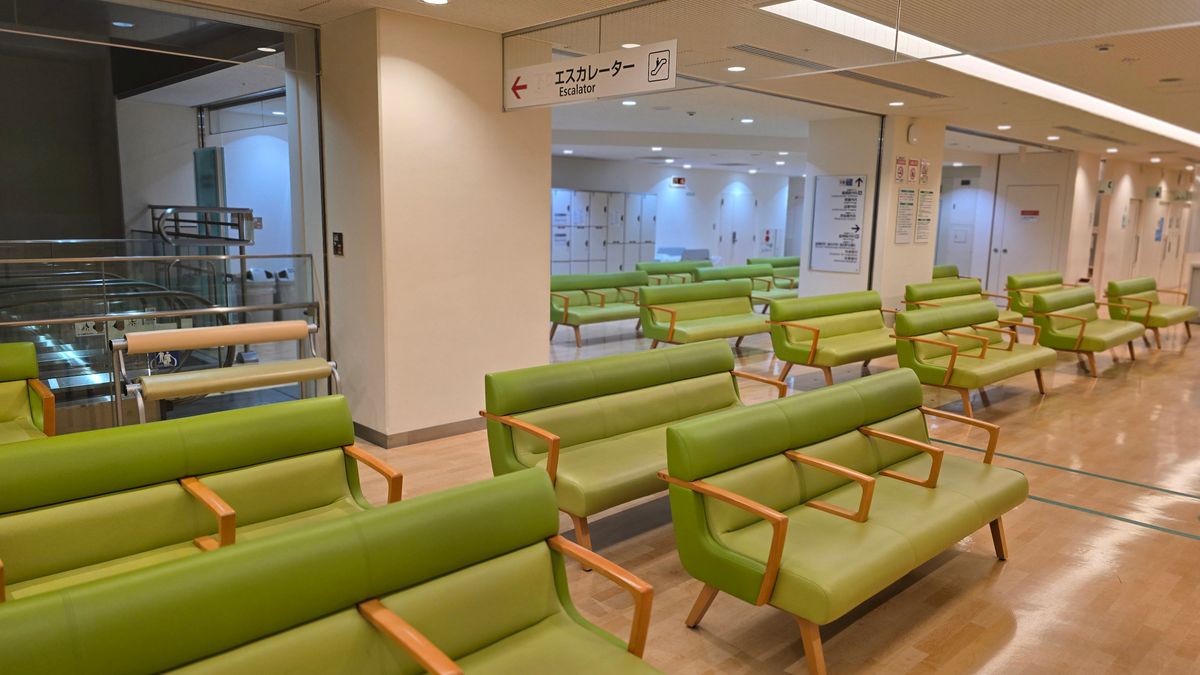
Private clinics are the default for many expats because they are fast, modern and English-speaking. You can usually book a private GP or specialist within days, appointments run close to schedule, and doctors are used to international patients. Budapest has several well-known private clinics and hospitals that take online bookings in English.
You pay upfront in forint and receive an itemised receipt, which a private insurer can then reimburse. Many clinics also have direct-billing arrangements with the larger insurers, so with the right policy you may not pay out of pocket at all. Private cover does not replace the public system for major hospital stays, which is one reason most residents keep both.
Choosing a plan and a clinic early is worth it. Options and what policies include are compared in the guides to private health insurance for expats and English and French-speaking clinics and doctors.
What does healthcare actually cost?
Costs depend entirely on how you are covered. With public entitlement through work, contributions or the health service contribution, most GP visits, hospital treatment and emergency care carry no fee at the point of use, and prescriptions are subsidised. Your real cost is the contribution itself, whether that is payroll deductions or the HUF 12,300 per month noted earlier.

Paying privately without insurance, budget roughly EUR 50 to EUR 70 for a GP visit and EUR 70 to EUR 120 for a specialist, per Global Citizen Solutions. Scans, procedures and dental treatment are extra and priced per service, so a complex course of care adds up quickly.
Private insurance turns that into a predictable annual premium, commonly EUR 300 to EUR 1,200 depending on the level of cover, per the same source. For most working expats the practical answer is a blend: contributions fund the public safety net, and a modest private budget or policy pays for fast, English-speaking everyday appointments.
What should you do in an emergency?
Emergency care does not depend on paperwork: hospitals treat anyone in a genuine emergency and billing or insurance is settled afterwards. The pan-European emergency number 112 works across Hungary and connects to ambulance, police and fire, while 104 reaches the ambulance service directly. Hungary's official information portal for foreigners lists 112 as the general emergency line, per Safe in Hungary.
Keep a form of ID and, where you have them, your TAJ card or private insurance details with you. If you rely on private cover, check whether your policy asks you to call an assistance line first, and save your clinic's number. What to expect from ambulances, hospitals and urgent care is covered in the guide to emergency care and the 112 system.
How do pharmacies and dental care work?
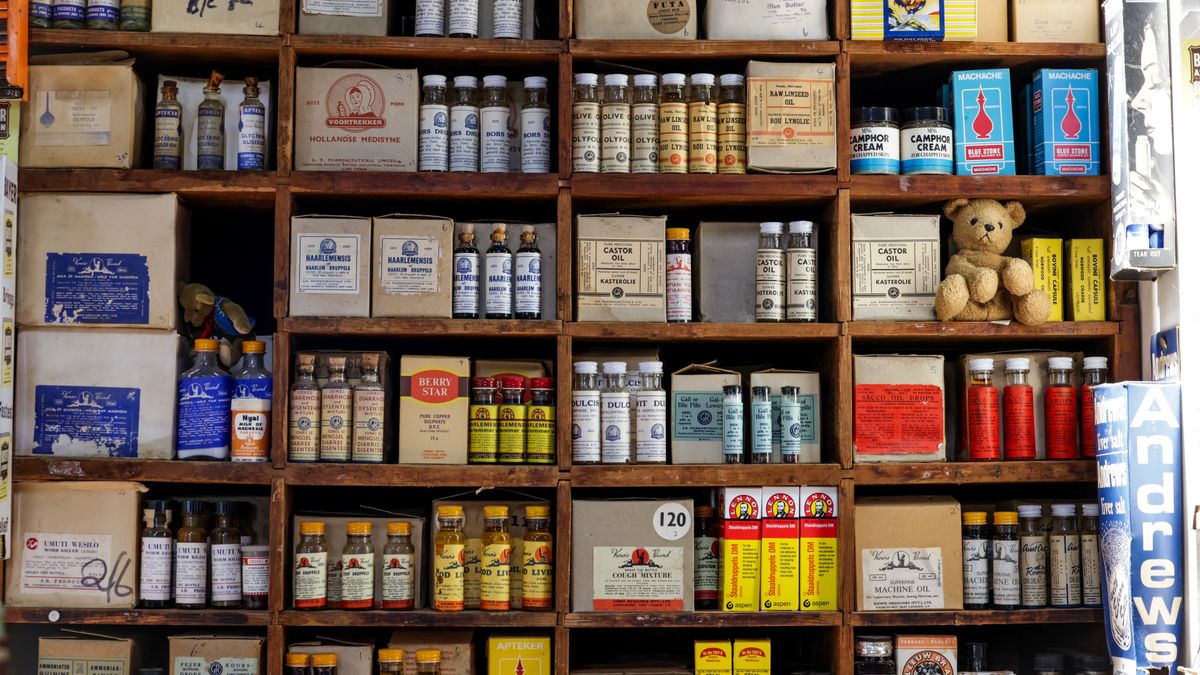
Pharmacies (gyógyszertár) dispense prescription and over-the-counter medicines, and with a TAJ card many prescriptions are subsidised. Every district has neighbourhood pharmacies, and some larger ones open late or around the clock. Prices for medicines are regulated, but pharmacies in the busiest tourist areas can charge more for over-the-counter items, so a neighbourhood pharmacy is usually the better choice.
Dental care is a Hungarian speciality. Budapest is one of Europe's best-known destinations for affordable, high-quality private dentistry, which is why so many visitors combine treatment with a trip. Routine and cosmetic dental work is almost always handled privately rather than through the public system.
How should a new arrival set up healthcare?
A simple sequence works for most newcomers. Arrange private health insurance or an international policy before you land, so you are covered from day one while your residence and address paperwork is in progress. Private cover is also what many residence permits require as proof of insurance.
Once you hold a residence document and a registered Hungarian address, apply for your TAJ card if you are eligible, or set up the health service contribution if that is your route. Register with a local family doctor for the public system, and keep a private clinic in reserve for fast, English-speaking appointments.
Finally, keep your details current: an up-to-date address, a valid insurance policy and, where relevant, on-time contribution payments. That combination gives you a public safety net for major events and a fast private option for everyday care.
Frequently asked questions
Is healthcare free in Hungary?
Public healthcare is free at the point of use for people covered by the system, which means employees, contributors and eligible EU residents holding a TAJ card. It is funded by social contributions rather than by user fees, though some medicines and most dental work involve payment. People without public entitlement pay privately or through insurance.
Can foreigners use public healthcare in Hungary?
Yes, if they are covered. Anyone working on a Hungarian contract is enrolled automatically, EU citizens can qualify through a registration certificate and contributions, and some non-employed residents can pay the health service contribution. Digital nomads on the White Card are not eligible for public cover and must use private insurance.
How much does private healthcare cost in Hungary?
A private GP consultation is typically around EUR 50 to EUR 70 and a specialist around EUR 70 to EUR 120, while standalone private health insurance for expats commonly runs from EUR 300 to EUR 1,200 per year depending on the cover, per Global Citizen Solutions.
What is a TAJ card?
The TAJ card (Társadalombiztosítási Azonosító Jel) is Hungary's social insurance number and the key to public healthcare. It is issued by NEAK and proves you are entitled to state-funded treatment. You generally need a residence document and a registered Hungarian address to obtain one.
Do you need to speak Hungarian to see a doctor?
Not for private care, where clinics in Budapest routinely work in English. In the public system, booking and paperwork are usually in Hungarian and not all staff speak English, so many expats use private clinics for anything time-sensitive.
This article is general information for people relocating to Hungary, last reviewed in July 2026. It is not legal, tax or medical advice. Rules change often, so always confirm the current details with the official sources linked above before you act.
← Back to Healthcare