Utilities, Deposits and Setting Up a New Home in Budapest
- Budget roughly 120€ to 160€ a month on top of rent for utilities in an average Budapest flat, and more in winter.
- Household energy is capped (rezsicsokkentes), so Budapest had the lowest electricity and gas prices of any EU capital in June 2026.
- Expect a security deposit (kaucio) of about two months' rent, refundable at the end minus any damage.
- You usually need a registered Hungarian address before you can sign internet and utility contracts.
What utilities do you pay for in a Budapest apartment?
In most Budapest rentals you pay utilities on top of the rent, so plan for roughly 120€ to 160€ a month for an average flat, and more in winter. Hungarians call these running costs rezsi (utility bills), and they are the tenant's responsibility unless a furnished short-let states otherwise.
The usual monthly bills are electricity, gas or district heating, cold and hot water, sewage and waste collection, the building's kozos koltseg (common cost) and internet. Before you sign, it helps to understand renting an apartment in Budapest and how the wider Housing and Real Estate guide fits together.
This article covers what each utility costs in 2026, the rezsi price cap that keeps energy cheap, the deposit you pay upfront and a move-in checklist so nothing is forgotten on handover day.
How much do utilities cost per month in Budapest?
For an 85m2 apartment, basic utilities (electricity, heating, water and waste) average about 127€ a month, and Wise puts the same basket near $162 a month. A small studio is closer to 80€. Internet adds about 20€ to 25€ a month, with cheaper fibre packages widely available.

Heating is the biggest swing item. Older gas-heated flats can rise sharply from November to March, while district-heated panel buildings and efficient new-builds stay steadier. A cold winter month in a family-sized flat can run well above the annual average, so treat the figures above as a yearly mean rather than a fixed bill.
Two costs sit outside your metered usage: the building common charge (covered below) and, for many tenants, a share of shared water or heating billed through that charge. Always ask what a quoted rent does and does not include before you commit.
What is the rezsi price cap and why is energy so cheap?
Hungary caps household energy prices through a scheme called rezsicsokkentes (utility cost reduction). The effect is striking: Budapest recorded the lowest average household electricity price (9.9 euro cents per kWh) and the lowest natural gas price (2.7 euro cents per kWh) of any EU capital in June 2026, according to the Central Statistical Office.
The catch is that the capped rate applies only up to an annual consumption limit per household. Usage above that ceiling is billed at a much higher rate closer to market prices, so a large home or a very cold winter can still produce a big bill. The cap is a government policy, so treat it as accurate for 2026 but subject to change.
For a typical one or two-person flat, normal consumption usually stays inside the capped band, which is why day-to-day energy in Budapest feels inexpensive compared with Western Europe.
What is kozos koltseg and who pays it?
Almost every apartment sits inside a tarsashaz (condominium), which charges a monthly kozos koltseg (common cost) of roughly 10,000 HUF to 30,000 HUF, and more in buildings with a lift, central heating or extra services.

The common cost pays for shared upkeep: stairwell cleaning and lighting, the lift, waste management, the building reserve fund and the property manager. In some buildings it also bundles water, sewage or central heating, which is why two flats of the same size can have very different personal bills.
Legally the owner owes the kozos koltseg, but leases routinely pass it to the tenant. Check your contract: if the charge is on you, ask the building manager for the current statement so there are no surprises later.
How do you set up electricity, gas and water?
In a rental, meters often stay in the owner's name and you simply reimburse actual usage, which is the simplest arrangement for a fixed-term lease. If a contract is put in your name instead, the provider will ask for identification, proof of your registered address and the lease.
Electricity in Budapest is supplied through the state MVM group, gas runs on the same universal-service structure, and water and sewage come from the municipal utility. Whichever setup you choose, the handover matters more than the paperwork.
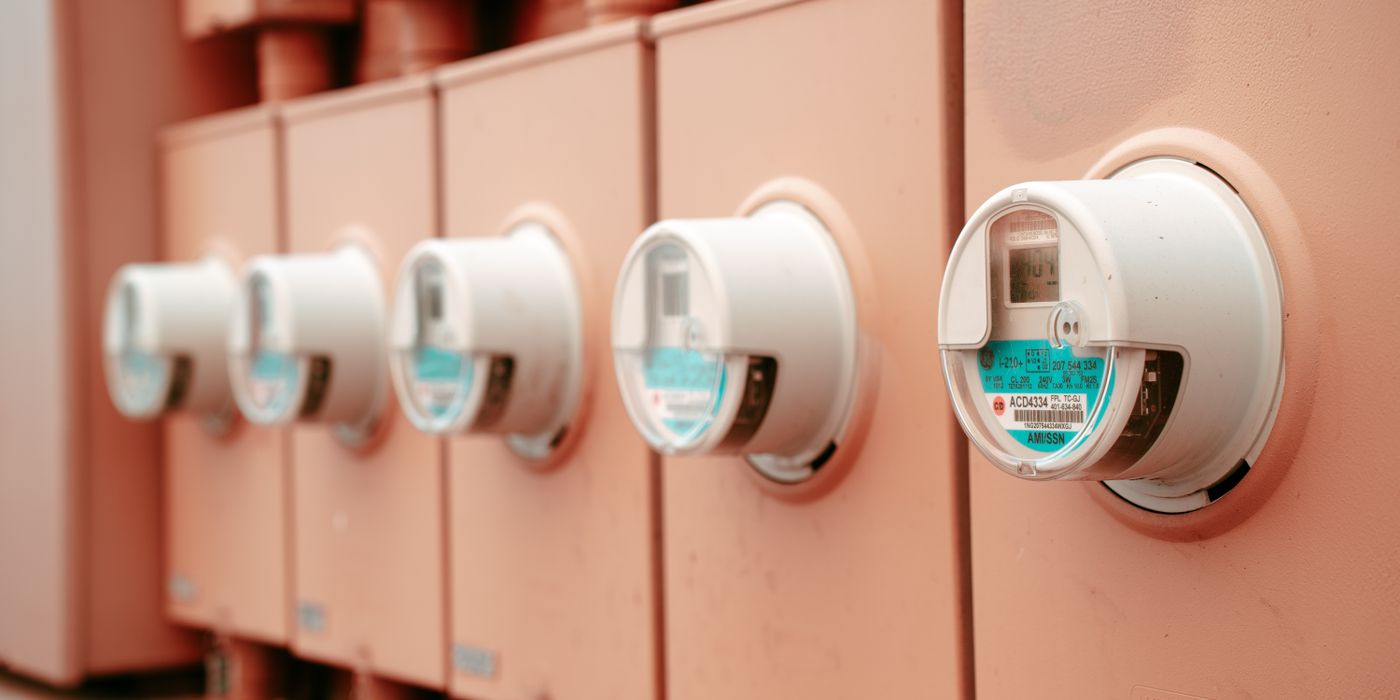
On move-in day, record every meter reading (the meroora figures) on a written atadas-atveteli jegyzokonyv (handover protocol) and photograph each meter. This protects you from paying for a previous tenant's consumption and settles any dispute when you move out.
How do you get internet and a phone connected?
Fixed broadband is fast and cheap. Magyar Telekom, One Hungary (formerly Vodafone and UPC) and DIGI all offer fibre in most city buildings, and a home connection typically costs around 20€ to 25€ a month. Contracts usually run 12 months, so confirm the term before you sign.
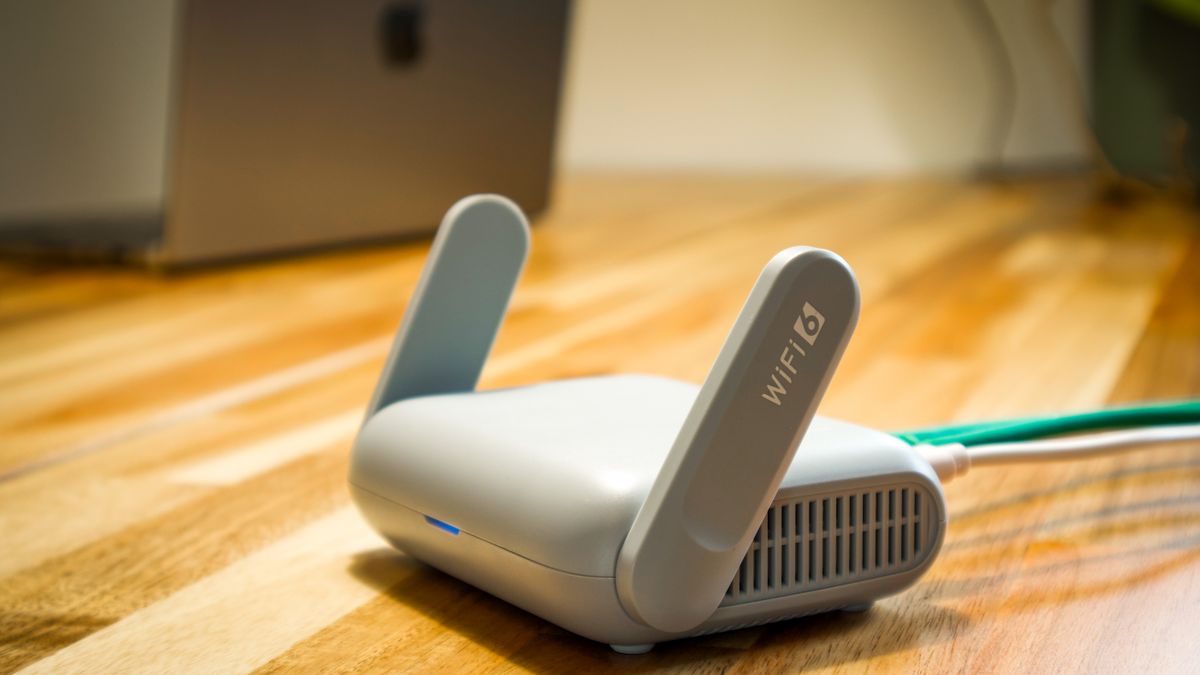
You generally need a registered Hungarian address to sign a broadband contract, which is one more reason to sort your lakcimkartya (address card) early. Installation is quickest in buildings already wired for a given provider, so ask neighbours or the building manager which network is present.
For mobile, Magyar Telekom, One Hungary and Yettel cover the city well and support eSIM on recent phones. Operator desks in the arrivals hall at Budapest Airport sell SIM cards on landing, which is the fastest way to get a local number on day one.
How big is the deposit and what do you pay upfront?
Expect a security deposit (kaucio) of about two months' rent, with three months sometimes requested for furnished flats or pets. A landlord can ask for more, but if the deposit exceeds three months' rent a court can reduce it to a reasonable level under the Civil Code, per Hungarian tenancy rules.
The deposit must be calculated on the pure rent, not on utilities or the common charge, and it is refundable at the end minus any damage beyond normal wear. Upfront you usually pay the first month plus the deposit, and an agency fee if a broker is involved.
Read the small print before you hand over money: the guide to rental contracts and tenant traps explains the deposit and early-termination clauses that most often cost foreigners money.
What is the move-in checklist for a new home?
Setting up a home in Budapest runs in a clear order. Work through this list on and around handover day:

- Register your address and collect the lakcimkartya, which costs about 3,700 HUF at a Kormanyablak (government window).
- Photograph and write down every electricity, gas and water meter reading on the handover protocol.
- Make a dated inventory of the furniture and the condition of each room.
- Agree in writing whether utilities stay in the owner's name (reimbursed) or move to yours.
- Order internet once your address is registered.
- Get a written deposit receipt that states the pure-rent amount.
- Ask the building manager for the latest kozos koltseg statement.
Several of these steps can be started online through Ugyfelkapu+ or the DAP mobile app, which replaced the old single-factor login in January 2025. Deciding on the area first makes the rest easier, so if you are still comparing streets, see the guide to where to live in Budapest by profile.
Frequently asked questions
Are utilities included in Budapest rent?
Usually not. In most Budapest rentals the rent is quoted net and the tenant pays electricity, gas or heating, water, waste and internet on top, plus the building's kozos koltseg if the lease assigns it. Some furnished short-lets bundle everything into one figure, so always ask what a quoted rent includes.
How much should I budget for utilities in winter?
Heating is the biggest variable. Older gas-heated flats cost noticeably more from November to March, while district-heated and new-build apartments stay steadier. Treat the roughly 120€ to 160€ monthly average for an 85m2 flat as a yearly mean and expect winter months to sit above it. Source: Wise.
Do I have to put the utilities in my name as a tenant?
Often not. Many landlords keep the meters in the owner's name and you reimburse actual usage, which avoids paperwork on a fixed-term lease. If a contract is switched to your name, you will need identification, proof of your registered address and the lease. Either way, record the meter readings on handover day.
Why is household energy so cheap in Hungary?
A price cap called rezsicsokkentes holds household electricity and gas below market rates up to an annual consumption limit. In June 2026 Budapest had the lowest household electricity and gas prices of any EU capital, at 9.9 and 2.7 euro cents per kWh. Usage above the cap is billed much higher, and the scheme can change. Source: KSH.
How long does it take to get internet installed?
It depends on whether the building is already wired for your chosen provider. Where the network is present, activation is quick; where new cabling is needed it takes longer. You generally need a registered Hungarian address to sign a broadband contract, so register your address first.
This article is general information for people relocating to Hungary, last reviewed in July 2026. It is not legal, tax or medical advice. Rules change often, so always confirm the current details with the official sources linked above before you act.
← Back to Housing & Real Estate